DLSS 5 Significantly Narrows Visual Gap Between Ray Tracing and Path Tracing in The Witcher 3
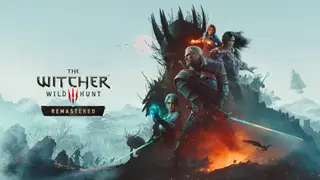
A technical comparison of The Witcher 3's newly released Path Tracing feature against traditional ray tracing enhanced with DLSS 5 upscaling shows that the AI technology substantially improves character detail and environmental quality while approaching path tracing's lighting fidelity. While DLSS 5 delivers noticeable visual improvements across both characters and environments, the path tracing mode maintains superior lighting accuracy at a lower performance cost than ray tracing with DLSS 5. The analysis suggests DLSS 5 enables ray-traced gaming to come much closer to path tracing's quality without reaching complete parity.
The Witcher 3 Remastered's new path tracing implementation represents a significant advancement in real-time lighting simulation, offering superior accuracy in how light behaves within game environments compared to traditional ray tracing approaches. The technical analysis reveals that DLSS 5's upscaling capabilities particularly enhance character fidelity and environmental detail reproduction, though lighting calculations remain an area where path tracing maintains measurable advantages even with AI enhancement.
Performance considerations present a notable trade-off for players seeking maximum visual quality. The RTX 5090—currently the flagship consumer GPU—achieved approximately 45-49 fps at 4K ultra settings when combining path tracing with DLSS 5, suggesting that achieving both technologies simultaneously remains demanding even on high-end hardware. This performance requirement may influence adoption patterns across the gaming PC market.
PC gamers with significant hardware investments could benefit from validation that premium GPUs deliver proportional visual improvements through emerging technologies like DLSS 5 and path tracing. The findings may influence purchasing decisions for enthusiasts weighing performance gains against cost. Conversely, players with mid-range systems may face barriers to accessing these enhanced visuals, potentially widening the visual experience gap between consumer segments—a dynamic that could shape how studios approach graphical scalability and port optimization strategies going forward.