Comprehensive Performance Testing of Gears of War: E-Day Across Multiple GPU Tiers
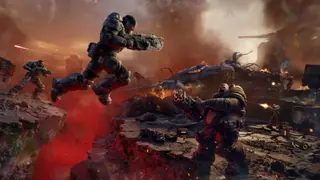
A detailed benchmark analysis of the newly released Gears of War: E-Day examines frame rates and performance across AMD and NVIDIA graphics cards at various resolution settings. The game, built on Unreal Engine 5.6.1, supports modern upscaling technologies including DLSS 4.5, FSR 4, and XeSS 3.0, with particularly strong visual results when using DLSS 5. At native 4K ultra settings, only the highest-end NVIDIA RTX 5090 GPU can maintain smooth 60fps gameplay.
The testing methodology employed a comprehensive GPU lineup spanning multiple price tiers from both manufacturers, paired with current-generation drivers and high-speed DDR5 memory. Performance metrics reveal a clear hierarchy: entry-level cards manage 1080p gaming comfortably, mid-range options handle 1440p adequately, while native 4K demands flagship hardware. The benchmark process included shader pre-compilation to eliminate initial stuttering artifacts, providing real-world performance data for consumers evaluating purchase decisions.
The game leverages Unreal Engine 5's advanced rendering features, including Megalights technology and geometry optimization tools previously unavailable to most developers. Support for multiple upscaling solutions—DLSS 4.5, FSR 4, and XeSS 3.0—presents consumers with platform-agnostic optimization options. The reviewer particularly emphasizes DLSS 5's visual quality gains, suggesting that upscaling technologies may become essential rather than optional for 4K gaming experiences going forward.
This analysis may influence purchasing decisions among PC gamers considering GPU upgrades or new system builds, potentially affecting demand across different price segments. Hardware manufacturers could face pressure to optimize driver performance or address perceived competitive weaknesses identified in testing. The emphasis on upscaling technology's importance could shift consumer expectations toward more aggressive use of AI-driven rendering solutions, potentially reshaping how studios prioritize native resolution support in future PC releases.