Meta's Horizon OS 2.9 Redesigns App Windows and Restores Vintage Virtual Spaces
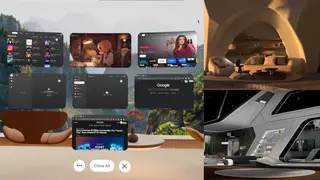
Meta has released Horizon OS 2.9 to its Public Test Channel, featuring a complete redesign of how Quest headsets handle 2D windows and applications. The new Display Evo system allows windows to open spatially around the user and be grouped or stacked like a deck of cards, replacing the previous restrictive three-window layout. The update also reintroduces classic home environments that had been removed in earlier versions.
Meta's redesigned window system marks a significant shift in spatial computing philosophy. Rather than constraining users to a fixed three-window arrangement, Display Evo enables dynamic organization where applications float freely in three-dimensional space and can be clustered together or arranged sequentially. The removal of the traditional dock represents a broader trend toward more intuitive, gesture-based interfaces in VR environments, allowing users to manage their workspace more fluidly. This architectural change appears influenced by upcoming hardware like Meta VR Glasses, which will rely on gaze-based input rather than traditional controllers.
The return of classic virtual environments addresses user nostalgia after Meta's previous consolidation to a single Loft space. By reintroducing environments like Desert Terrace and Space Station, the update acknowledges that users value aesthetic variety and personalization in their virtual homes—an important consideration as VR shifts from novelty to daily-use computing platform.
These changes could enhance VR adoption by making spatial computing feel less alien to traditional computing workflows. Improved window management and personalization options may reduce cognitive load for new users transitioning from desktop interfaces. However, the ongoing flux of features and uncertain rollout timelines—where announced capabilities may not reach all users simultaneously—could create frustration among early adopters. The emphasis on gaze input optimization signals Meta's broader push toward hands-free interaction, which could reshape how people expect to control computing devices across multiple platforms.