Street Fighter II's Creator Reflects on Being Excluded from Western Box Art
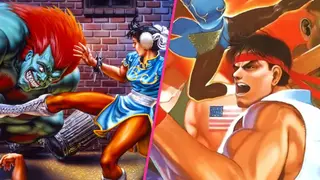
Akira Yasuda, the lead artist behind Street Fighter II, has expressed frustration about being prevented from creating cover art for the game's North American release during the 1980s and early 1990s. Capcom's management at the time believed Japanese artistic styles would not appeal to Western audiences and instead commissioned American artist Mick McGinty for regional packaging. Yasuda now acknowledges that the decision to hide the game's Japanese origins was misguided, particularly given how Japanese pop culture has since become globally dominant.
During the 1980s and early 1990s, Western publishers frequently commissioned region-specific artwork for games developed in Japan, believing that domestic audiences would reject artistic conventions from their country of origin. This localization strategy extended beyond mere translation, fundamentally altering how games were presented to consumers across different markets. Street Fighter II became a notable case study in this practice, with American artist Mick McGinty's cover becoming iconic to generations of Western players who never encountered Yasuda's original vision.
Yasuda's recent reflection on this creative decision highlights a significant miscalculation by marketing leadership at the time. The subsequent decades have proven such assumptions about Western resistance to Japanese aesthetics dramatically wrong, as anime, manga, and Japanese design have achieved unprecedented mainstream acceptance globally. This shift makes the historical decision to exclude Japanese artistic input appear increasingly misguided in retrospect.
This account may resonate with conversations about cultural gatekeeping in entertainment industries and how commercial assumptions about audience preferences can limit creative expression. It could prompt reflection on whether similar biases persist in modern media production decisions. The story may also encourage discussion about how artistic authenticity and cultural pride factor into product presentation, particularly for creators whose work becomes integral to iconic franchises yet receives limited recognition in certain markets.