Meta Acquires Hundreds of Sony XR Patents as Japanese Giant Retreats from Headset Market
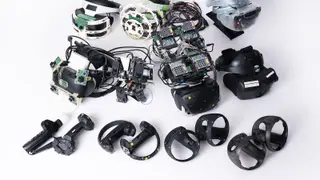
Meta has purchased 43 U.S. patents from Sony related to virtual and mixed reality headsets, with 419 global patents expected to transfer in total by agreement signed in December 2025. The massive patent sale signals Sony is significantly reducing its XR hardware investments, following a lukewarm market reception for the high-priced PSVR 2 headset and limited software support at launch. Sony's decision to later release a PC adapter for PSVR 2 and focus its mixed reality efforts on enterprise collaboration rather than consumer markets underscores the company's strategic shift away from the competitive XR space.
Sony's retreat from consumer XR hardware reflects market realities that challenged even an established technology company. The PSVR 2 launched at a premium price point with limited software support, creating friction between the hardware's technical capabilities and developer investment. By later introducing a PC adapter, Sony effectively acknowledged that the headset's future lay outside its intended ecosystem, signaling acceptance that the consumer VR market remained highly competitive and unprofitable for traditional gaming manufacturers.
The 419-patent transfer represents Sony's broader historical involvement in head-mounted display technology, spanning from early-stage innovation through the consumer VR era. This intellectual property portfolio—accumulated across multiple countries and filing periods—may hold value for Meta's ongoing development of advanced XR systems, though the companies have provided no official rationale for the transaction.
This acquisition could reshape competitive dynamics in the XR hardware space by consolidating patents under Meta's control, potentially influencing which companies can feasibly develop consumer headsets. For consumers, Sony's withdrawal may reduce hardware diversity and alternative visions for XR experiences. Developers may face shifted incentives as Meta strengthens its patent position, while enterprise XR users could benefit from Sony's continued focus on that sector. The broader implication suggests consolidation pressures in XR markets may favor well-capitalized technology firms over smaller competitors.