Dystopian Factory Horror Game A Game About Breaking A Cube Coming to Switch in Early 2027
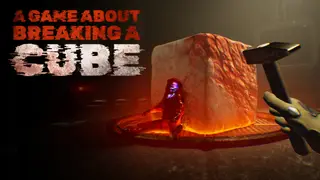
Feardemic and Imago have announced A Game About Breaking A Cube, a dystopian horror simulation heading to Nintendo Switch in Q1 2027. Players assume the role of a factory worker at the mysterious NullCorp facility, tasked with breaking various cubes made of different materials while uncovering corporate secrets. The game involves extracting valuables, exploring the underground facility, and discovering the truth behind the sinister operation.
A Game About Breaking A Cube positions players as factory workers operating within a sprawling underground complex controlled by the ominous NullCorp entity. The gameplay loop centers on systematically destroying cubes composed of progressively disturbing materials—ranging from conventional stone and metal to organic substances—while extracting hidden contents that raise questions about the corporation's true objectives. As players progress through the facility, environmental exploration and narrative discoveries gradually reveal the sinister operations concealed beneath the mundane facade of industrial labor.
The title's dystopian framing echoes established horror simulation traditions by blending routine work mechanics with psychological unease. Feardemic's involvement as publisher suggests the game aligns with their catalog of indie horror experiences, while the early 2027 window positions it as a notable genre entry for Switch's expanding library.
The game may appeal to players seeking narrative-driven horror experiences that critique corporate power structures and workplace exploitation through interactive storytelling. Its success could influence how indie developers approach thematic horror on Nintendo's platform, potentially encouraging similar projects that blend mundane mechanics with unsettling atmosphere. Wider audiences encountering such titles might engage with dystopian workplace commentary in interactive contexts, though the niche nature of horror simulations may limit mainstream cultural impact compared to broader gaming phenomena.