Fan-Made PC Version of Canceled Silent Hills Demo Now Available for Download
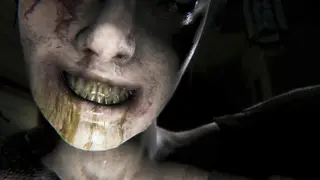
An unofficial PC port of Konami's canceled Silent Hills P.T. teaser has been released, giving PC gamers their first chance to experience the 2014 PlayStation 4 demo natively on their systems. The port includes modern PC features such as support for Windows and Linux, Vulkan graphics, multiple upscaling technologies including DLSS and FSR, and comprehensive graphics customization options. This release comes years after Konami removed P.T. from the PlayStation Store following the studio's cancellation of the full Silent Hills project in 2015.
P.T. originally debuted on PlayStation 4 in 2014 as a mysterious free download that gradually revealed itself to be promotional material for an ambitious horror project. The collaboration between legendary designer Hideo Kojima and filmmaker Guillermo del Toro promised something genuinely innovative, but Konami's decision to cancel the full game in 2015 and subsequently remove the demo from digital storefronts left the experience inaccessible to new audiences. This erasure made P.T. increasingly mythologized within gaming culture.
The unofficial PC port arrives as part of a broader phenomenon of fan-driven preservation efforts for lost or restricted gaming experiences. By implementing contemporary PC technologies—including multiple upscaling solutions, ray-tracing capabilities, and comprehensive graphics customization—the port delivers the experience with technical refinements the original never received, while additional features like photo mode and speedrun integration expand its utility beyond historical curiosity.
This development may affect how players and preservation advocates view access to abandoned digital media, particularly high-profile titles removed from official distribution. The port could influence industry discussions about game preservation versus intellectual property control, and may encourage Konami to reconsider the demo's availability. For PC gamers, it represents an opportunity previously unavailable, though it raises ongoing questions about the legal and ethical boundaries of fan-created ports of commercially controlled properties.