How Tomb Raider: Legacy of Atlantis is updating Lara Croft’s look
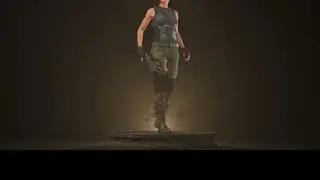
Crystal Dynamics and Flying Wild Hog discuss the design evolution of Lara Croft for Tomb Raider: Legacy of Atlantis. The developers aim to make her more realistic while preserving the recognizable silhouette from the 1996 original. The article traces how each console generation has refined her model, animation, and detail.
Crystal Dynamics and Flying Wild Hog frame the 1996 Lara as the fixed reference point. Advances across PS2-era titles and the Survivor trilogy added smoother geometry, richer textures, and more expressive animation while preserving her recognizable outline.
For Legacy of Atlantis, the teams use hair cards, subsurface scattering, flow maps, and custom blend shapes to create finer strands, lifelike skin, and nuanced facial expressions. They also had a real outfit tailored, scanned on a mannequin, and translated into the game via Unreal.
The redesign may shape how longtime fans and new players perceive Lara, potentially strengthening nostalgia while inviting broader audiences into the series. More realistic character craft could influence expectations for other PlayStation titles, as studios may face pressure to match similar fidelity. It may also affect developers, who could need specialized artists and scanning workflows. However, impact depends on execution and reception.