Six Young Shinobi in Boruto Era Outclass Even the Hokage, Ranked
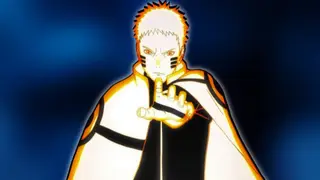
A new analysis ranks six younger ninjas from the Boruto era who have surpassed the power level of traditional Hokage figures. Characters like Mitsuki, with advanced Sage Transformation and Orochimaru's genetic enhancements, are highlighted as among the most formidable in Konoha. The ranking reflects a shift in the shinobi world where raw strength now exceeds the legacy of past Kage.
In the Boruto era, six young shinobi—Mitsuki, Himawari Uzumaki, Sarada Uchiha, Boruto Uzumaki, and others—have been officially ranked as surpassing the power levels of past Hokage figures such as Hashirama Senju, Minato Namikaze, and even Naruto Uzumaki. This shift is attributed to unprecedented genetic enhancements, advanced Sage Transformation techniques, and the reincarnation of tailed beasts, most notably Kurama within Himawari. Mitsuki, a product of Orochimaru’s experiments, demonstrates combat prowess that exceeds even Tobirama Senju and Kakashi Hatake, despite not holding official leadership status. Himawari, now a living manifestation of Kurama, has already demonstrated strength sufficient to trade blows with Jura, a being previously considered on par with Otsutsuki-level threats. Sarada Uchiha’s awakening of Ohirume grants her black hole manipulation abilities that surpass even Sasuke’s Mangekyō, with further potential still untapped. Boruto Uzumaki, inheriting chakra from both Naruto and Hinata, along with the Karma of Momoshiki Otsutsuki, is currently recognized as the strongest shinobi globally. The ranking, published by GameRant on October 28, 2026, reflects a broader narrative shift in the Naruto franchise: where legacy and experience once defined strength, raw power and genetic potential now dominate. This evolution challenges the traditional hierarchy of leadership within Konoha, raising questions about whether future Hokage will be chosen for wisdom or sheer
This narrative may influence how younger audiences perceive authority, meritocracy, and legacy in both fictional and real-world contexts—especially in gaming and fan communities where power progression often mirrors personal ambition. The emphasis on youth and inherited power could reinforce trends seen in other franchises like *My Hero Academia*, where new generations outpace predecessors not through experience but through innovation or lineage. Such stories may inspire debates about whether strength should determine leadership, potentially affecting how fans engage with role-playing games, esports, or even educational models that prioritize talent over tenure. The shift also impacts content markets: merchandise, streaming platforms, and fan fiction may see increased demand for characters like Himawari and Sarada, who represent new archetypes of power. What remains uncertain is whether this trend will be sustained across future arcs or if the narrative will eventually reintegrate wisd