One Anor Londo Corridor Has Become a Player’s Endless Nightmare
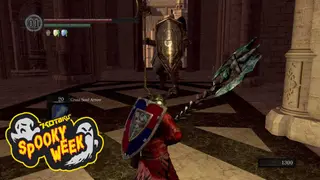
A specific corridor leading to the Ornstein and Smough boss fight in Dark Souls has become infamous for its frustrating design, despite being unremarkable at first glance. The player describes it as a source of intense mental strain due to its repetitive enemy patterns and lack of clear navigation cues. While not a game-breaking flaw, the room exemplifies FromSoftware’s signature style of punishing yet mechanically precise challenge.
In *Dark Souls*, the corridor leading to the Ornstein and Smough boss fight in Anor Londo has become a notorious obstacle for players despite its unassuming appearance. The specific challenge lies in navigating a long, multi-level church space where summoning Solaire of Astora—essential for many players attempting the fight—is nearly impossible without provoking three enemies: an archer on the upper ramparts and two heavily armored knights below. These enemies have expansive aggro ranges, meaning any movement within the room triggers their pursuit. The player must first defeat the archer, then carefully maneuver through the lower level to reach Solaire’s summon sign, all while avoiding being overwhelmed by the knights’ slow but devastating attacks and self-healing mechanics. The process is time-consuming and mentally taxing, especially given that Solaire will not follow the player unless he is summoned in a safe zone, which requires full enemy elimination. This room exemplifies FromSoftware’s design philosophy: punishing precision over brute force, where failure stems from micro-management of timing and positioning rather than outright difficulty spikes. The article references prior public commentary from the author, Rebekah Valentine, on social media platforms like Bluesky, highlighting how this frustration has become part of a broader cultural conversation around game design’s emotional toll.
The player, Rebekah Valentine, is a long-time gamer revisiting *Dark Souls* in Oc
This anecdote reflects a broader societal trend where gaming frustration is increasingly framed as a shared cultural narrative rather than a personal failing. Players like Rebekah Valentine use public platforms to articulate emotional strain from game design, transforming individual struggles into communal commentary. This amplifies the impact of seemingly minor mechanics—like enemy aggro ranges or summoning limitations—into focal points of discourse, influencing how players approach games and what they expect from developers. The phenomenon may pressure studios to reconsider “classic” difficulty as a selling point, especially in remakes where accessibility is often prioritized. Comparable to the backlash against *Dark Souls*’ original release for being “unfair,” this moment echoes earlier debates around *Super Mario Bros.*’ pixel-perfect jumps or *I Wanna Be The Guy*, where frustration became both critique and homage. What may follow is a growing demand for optional difficulty modes,