Apple Highlights Real-Life Apple Watch Impact in New Videos
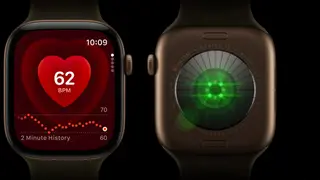
Apple has released two new videos in its 'True Apple Watch Story' series showcasing the device’s real-world impact. One story details how an Apple Watch detected a medical emergency and triggered a life-saving alert. The other highlights a user’s transformative fitness journey using the watch’s health tracking features.
Apple has released two new videos as part of its ongoing 'True Apple Watch Story' campaign, highlighting real-world instances where the device has had significant personal impact. One video details a medical emergency in which an Apple Watch detected an irregular heart rhythm and prompted an alert that led to timely medical intervention, potentially saving a user’s life. The second story follows an individual who used the watch’s health tracking features—such as activity rings, heart rate monitoring, and workout guidance—to achieve a major fitness transformation over time. These videos are part of Apple’s broader effort to emphasize the health and wellness capabilities of its wearable devices beyond basic fitness tracking. While specific names, dates, or locations are not disclosed in the available material, the narratives focus on user experiences that underscore the device’s role in proactive health management.
The initiative builds upon Apple’s long-standing strategy to position the Apple Watch as a health-focused tool, a shift reinforced by regulatory approvals such as FDA clearance for certain features like ECG monitoring. Earlier reports have highlighted similar stories, but these new videos appear to be part of a targeted campaign to strengthen consumer trust in the device’s medical reliability. Apple, as the primary organization involved, aims to differentiate its product in a competitive wearable market and reinforce brand loyalty by showcasing life-enhancing outcom
These videos could strengthen public confidence in wearable health technology, particularly among older adults and individuals managing chronic conditions. By showcasing real-life medical interventions, Apple may encourage broader adoption of health-tracking devices, potentially reducing emergency room visits through early detection. The stories may also prompt healthcare providers to consider wearables as supplementary diagnostic tools, though formal integration into clinical workflows remains limited. A comparable precedent is the 2018 case of a user whose Apple Watch detected atrial fibrillation and led to hospitalization—this earlier story contributed to increased media attention on smartwatch health features. However, unlike that instance, these new videos are part of a sustained marketing effort rather than isolated incidents. The broader impact may ripple into insurance and employer wellness programs, where wearable data could influence premiums or incentives. Yet concerns rema