Activision Apologizes for Using Real Tragedy Footage in Call of Duty Cutscene
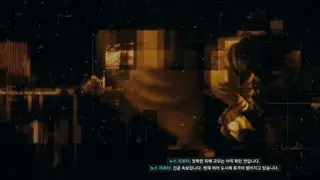
Activision has acknowledged using real news footage from the 2022 Itaewon crowd crush in a fictional opening cinematic for Call of Duty: Modern Warfare 4. The company stated it had no intent to trivialize the real-life tragedy and emphasized the clips were used solely for narrative effect. The Korea Game Consumers Association has called for an apology and the removal of the footage, citing emotional harm to victims' families.
Activision admitted on October 28, 2026, that real news footage from the October 29, 2022 Itaewon crowd crush in Seoul was used in a fictional news cutscene within the opening cinematic of Call of Duty: Modern Warfare 4, which launched on October 23. The clip, lasting approximately three seconds, showed paramedics performing CPR during the real-life disaster that claimed 159 lives. Activision stated the footage was incorporated for narrative realism and emphasized it had no intent to trivialize the tragedy. However, the Korea Game Consumers Association (KGCA), led by Chairman Lee Chul-woo, condemned the use of the material, calling it emotionally harmful to victims’ families and demanding a public apology, removal of the clip, and direct communication with affected parties. The association stressed that the footage had no relevance to the game’s fictional storyline and was used without consent or context. Activision has not yet confirmed whether the video will be altered in future updates, though it reiterated its commitment to handling sensitive content with care during development.
The incident highlights ongoing tensions between creative expression in entertainment media and ethical boundaries around real-world tragedies. While the use of archival footage is not unprecedented in film and games—especially for realism—the inclusion of such material without context or consent raises concerns about exploitation, particularly when it involves a recent, highly publicized disast
The use of real tragedy footage in a commercial game could deepen public skepticism toward the gaming industry’s ethical standards, particularly when sensitive events are repurposed without consent. Victims’ families and advocacy groups may view such actions as a form of digital desecration, eroding trust in entertainment companies that claim to prioritize realism over respect. The incident may prompt broader scrutiny of content licensing practices across media, especially where real footage is used for dramatic effect. A comparable case is the 2015 controversy involving the film *The Interview*, which sparked backlash for its portrayal of North Korea using real-world imagery; however, that involved satire and political messaging, not a direct use of disaster footage. This situation differs in emotional gravity and ethical weight, as it involves a civilian tragedy with lasting trauma. The gaming industry may face increased pressure to implement content review boards or cultural sensiti