HP OmniBook X 14 Delivers Premium Performance with OLED Display at High Price
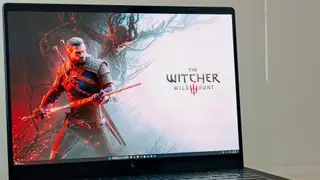
The HP OmniBook X 14 replaces the Envy line with a sleek aluminum design, Intel Core Ultra 7 356H processor, and a vibrant 120 Hz OLED touchscreen. It offers strong productivity performance and up to 17 hours of battery life but comes with a steep $1,900 price tag. Performance is solid for daily tasks, though gaming capabilities are limited.
HP has replaced its long-running Envy laptop line with the new OmniBook X 14, launching a premium device featuring Intel’s Core Ultra 7 356H processor, a 14-inch 2.8K OLED touchscreen with 120 Hz refresh rate, and a sleek aluminum chassis weighing just 1.3 kg. The model reviewed, the OmniBook X 14-ka0068TU, is available in India starting at ₹1,69,999 and tested at ₹1,89,999, while in the U.S., configurations range from $1,899 to $2,100. This shift marks a strategic pivot by HP toward higher-end productivity-focused machines, leveraging Intel’s Panther Lake architecture and advanced features like Wi-Fi 7 and Thunderbolt 4. The move follows industry trends of premiumization, where performance gains are increasingly tied to higher price points. HP’s goal appears to be capturing professionals and creatives seeking sleek, reliable machines with long battery life—up to 20 hours according to the manufacturer—and strong everyday performance. However, the high cost is a notable barrier, especially when compared to older models like the OmniBook Ultra 14 with Ryzen AI 9 HX 375, which offer better CPU and GPU performance at lower prices. The device’s limitations in gaming and its relatively loud fan noise during sustained workloads remain unresolved concerns. Whether this pricing strategy will sustain market interest or alienate budget-conscious buyers remains to be seen.
The HP OmniBook X 14 reflects a broader industry trend where premium laptops increasingly prioritize aesthetics, display quality, and long battery life at the expense of affordability. This could deepen the digital divide, as high-end devices become inaccessible to students, remote workers, and small businesses relying on cost-effective tools. The shift may also pressure competitors like Dell, Lenovo, and Apple to justify their own premium pricing with tangible performance or ecosystem advantages. A comparable precedent is Apple’s transition from the MacBook Air to the M-series models—initially met with skepticism over price but eventually normalized through perceived value in efficiency and integration. Similarly, HP may be betting that users will accept higher prices for a refined experience, especially as AI workloads grow. However, if performance gains don’t match the cost increase, consumer trust could erode. What to watch for next is how quickly alternative platforms—such as Chro