THQ Nordic Drops First Look at Titan Quest 2 Ahead of Early 2027 Launch
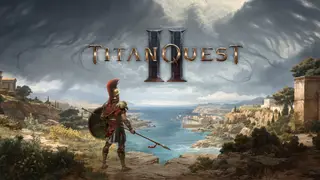
THQ Nordic has released a pre-order trailer for Titan Quest 2, confirming its release date as January 19, 2027. The trailer showcases the game’s mythological themes, enhanced visuals, and expanded combat systems. Fans can now secure early access to the sequel to the acclaimed action RPG, which promises deeper lore and larger-scale battles.
THQ Nordic has officially unveiled a pre-order trailer for Titan Quest 2, confirming its release date as January 19, 2027. The trailer highlights the game’s mythological themes, enhanced visual fidelity, and expanded combat mechanics, signaling a significant evolution from the original 2006 title. Players can now secure early access to the sequel, which promises deeper lore integration and larger-scale battles than its predecessor. The announcement was made on October 28, 2026, at 10:00 AM EDT, via TheGamer’s platform, with no further details provided beyond those in the promotional content.
The original Titan Quest, developed by Iron Lore Entertainment and released in 2006, gained a cult following for its blend of Greek, Egyptian, and Norse mythology within a hack-and-slash action RPG framework. Its enduring popularity led to multiple remasters and community-driven modding efforts, creating a strong foundation for a sequel. THQ Nordic, which acquired the rights to the franchise after purchasing the intellectual property from former publisher THQ, has positioned this release as a major revival of a legacy series. The company likely aims to capitalize on nostalgia while appealing to modern audiences with updated graphics and gameplay systems.
The developers involved in Titan Quest 2 have not been named in the provided material, nor are there details on the game’s narrative or character progression systems. What remains unresolved is whether the sequel will maintain the o
The release of Titan Quest 2 could signal a broader trend in gaming culture where legacy franchises are revived with modern production values to re-engage older audiences while attracting new players. This approach may influence other publishers to revisit dormant IPs, particularly those with dedicated fanbases, potentially reshaping how companies assess long-term value in game portfolios. The success of remasters and re-releases—such as the recent Wolf Among Us Remastered—demonstrates that nostalgia-driven marketing can be commercially viable, especially when paired with updated technology. If Titan Quest 2 performs well, it may encourage more investment in narrative-heavy, mythologically rich action RPGs, possibly shifting focus from live-service models toward single-player experiences with deep lore. The game’s emphasis on cooperative play could also impact how multiplayer features are designed in future titles. However, the outcome remains uncertain; past revivals have sometimes