PS4 UI and Classic Games Like Simpsons: Hit & Run Now Run in Roblox
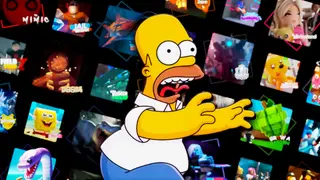
A new wave of AI-assisted ports has brought games like The Simpsons: Hit & Run and Undertale to Roblox, complete with a functional PS4-like interface. These unofficial recreations, built using tools like Claude, are part of a growing trend of fan-made emulations despite concerns over quality and originality. The phenomenon highlights ongoing tensions between modding communities and intellectual property rights.
In October 2026, a wave of AI-assisted game ports began appearing on Roblox, most notably featuring a fully functional PS4-like user interface that allows players to launch titles such as The Simpsons: Hit & Run, Undertale, Superhot, and Five Nights at Freddy’s directly within the platform. These recreations, built using generative AI tools like Claude, were highlighted by YouTubers KreekCraft and SirDapper, who demonstrated projects like Redwing Works’ PlayStation Experience and Project CS—a near-identical clone of Counter-Strike. The PS4 UI includes trophies and menu navigation, creating a simulated console environment despite Roblox’s origins as a user-generated game creation system. These ports emerged amid broader concerns about the rise of "vibecoding," where AI rapidly reverse-engineers and reassembles games without original development effort. While early versions are plagued by bugs and missing features, they signal a shift in how digital content is replicated and distributed.
This phenomenon follows earlier incidents involving AI-assisted jailbreaking of devices like Samsung TVs and video game consoles, prompting OpenAI and Anthropic to attempt restrictions on reverse-engineering. However, open-source alternatives and decentralized tools continue to enable such projects. The modding community, long dedicated to high-quality, optimized ports, now faces dilution from low-effort AI-generated versions that flood platforms despite lacking polish or intent. Roblox’s ecos
These AI-powered ports could accelerate the erosion of exclusivity in gaming, undermining the value of original development and platform-specific content. As anyone with access to generative AI tools can replicate major titles within platforms like Roblox, the economic incentive for studios to invest in unique experiences may diminish. This shift may disproportionately affect independent developers who rely on early visibility and community trust—especially when their work is quickly cloned without attribution. The modding scene, already strained by low-quality fan projects, now faces a new challenge: distinguishing authentic craftsmanship from AI-generated imitations that mimic form but lack soul. A comparable precedent is the rise of deepfake videos in social media, where technological capability outpaced ethical and legal frameworks, leading to widespread misinformation. Similarly, these game ports may normalize unauthorized replication before clear standards emerge. What’s next co