Seep Blends Classic Horror Elements Into a New Survival Experience
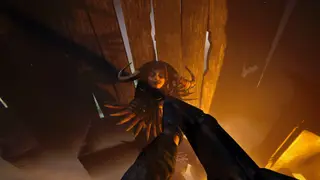
The upcoming survival horror game Seep draws heavy inspiration from The Forest, Resident Evil, and Dead Space, combining survival crafting, dismemberment mechanics, and strategic item management. Its design reflects a deliberate homage to these iconic franchises, aiming to stand out in a crowded genre. The game emphasizes environmental storytelling and tension through familiar yet reimagined horror tropes.
Seep, an upcoming first-person survival horror game, is set to release in an unspecified future date, drawing on established franchises like The Forest, Resident Evil, and Dead Space for its core mechanics and aesthetic. The game places players in a claustrophobic forest at nightfall, where they must scavenge supplies, craft traps using materials from containers or corpses, and survive encounters with grotesque, humanoid monsters such as Gorehusks and spider-legged entities resembling the Virginia monster from The Forest. A key innovation is Daisy, a drone companion that can scan enemies to reveal attack patterns, craft traps like tripwires, distract foes via visual or audio cues, and even collect loot and warn of threats—though its failure could severely impact survival. The game blends Resident Evil’s looting and shopkeeper mechanics (exemplified by NPC Lady Fang, who sells healing items and ammo) with Dead Space’s dismemberment-focused combat, where players can disable enemies through targeted attacks. These design choices reflect a deliberate effort to merge iconic horror elements into a cohesive experience, aiming to stand out in a saturated genre.
The game’s development appears rooted in the current resurgence of horror games, fueled by successful remakes and new entries like Silent Hill: Ascension and Tenebris Somnia. This context explains why Seep leans so heavily on proven formulas—its creators likely seek to balance innovation with familiarity to appeal to both nos
Seep could influence the survival horror genre by reinforcing a trend of hybridizing well-known mechanics from established franchises to create accessible yet fresh experiences. Its blend of The Forest’s environmental tension, Resident Evil’s resource economy, and Dead Space’s visceral combat may appeal to players seeking a familiar but elevated challenge, potentially impacting indie developers who aim to compete with AAA titles through nostalgic design. If successful, Seep might encourage more studios to adopt "curated nostalgia" as a development strategy—leveraging proven formulas while introducing subtle innovations like Daisy’s AI-driven assistance. This approach mirrors how games like Dead Space 3 or Resident Evil Village revitalized their franchises by balancing remembrance with evolution. However, over-reliance on borrowed mechanics risks stagnation, especially if players perceive the game as derivative rather than transformative. The broader market may respond cautiously, parti