Fractured Worlds Falls Short Despite Promising Combat Mechanics and Procedural Design
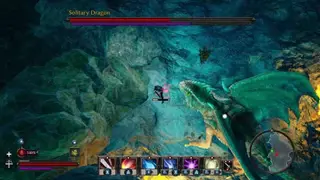
Fractured Worlds delivers a Diablo-inspired loot-and-level-up experience with slow, deliberate combat that initially feels satisfying but quickly becomes repetitive. While the game features unique mechanics like chargeable spells and weapon-specific move sets, enemy AI is basic and maps feel bland and monotonous. Despite some inventive features like portal teleportation and item affix transfer, the overall experience lacks depth and variety to sustain long-term engagement.
Fractured Worlds, released on October 29, 2026, is a Diablo-inspired action RPG developed by an unnamed studio and published for PlayStation platforms, with notable performance issues reported on the original Nintendo Switch version. The game places players in a fractured world where they explore procedurally generated dungeons, fight enemies, level up, and collect loot in a classless progression system. Combat emphasizes deliberate, slow-paced engagement—particularly effective against bosses and elite foes—but quickly becomes monotonous due to repetitive enemy AI behavior, with foes often standing idle or failing to attack altogether. The game introduces mechanics such as chargeable spells, weapon-specific move sets, portal teleportation between dropped portals, and affix transfer between items, all designed to add depth. However, these features are undermined by bland map design, minimal enemy variety, and frequent frame rate drops, especially during intense combat sequences. Players return to a base camp after death, where they can re-enter dungeons at their previous floor, upgrade gear, purchase equipment via RNG-based drops, or use map shards to access modified, higher-reward areas.
The game’s core appeal lies in its customizable loot system and flexible skill progression, allowing players to mix abilities freely without class restrictions. Despite this, the limited inventory and lack of meaningful world-building reduce long-term engagement. The visual design is functio
Fractured Worlds may contribute to ongoing industry trends where developers attempt to differentiate Diablo-style games through procedural content and mechanics like affix transfer or teleportation, yet still struggle with player retention due to repetition. Its release could signal a broader challenge in the genre: balancing innovation with polish, especially on older hardware like the original Switch. The game’s performance issues may affect consumer trust in third-party ports, particularly for titles aiming for cross-platform availability. Comparable to early entries in the *Diablo* series, which faced criticism for repetitive gameplay before iterative improvements, Fractured Worlds could serve as a cautionary case study in how promising mechanics fail without sustained refinement. Its reception may influence future development priorities—favoring stability and variety over novelty. What remains uncertain is whether the developer will address bugs or expand content post-launch, whic