Apple hints at broader touchscreen integration in future macOS updates
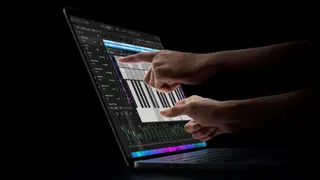
Apple has confirmed that its latest MacBook Pro with PROLED XDR Display features software enhancements for touch input, but emphasized that this is just the beginning of its efforts to make macOS more responsive to touch. The company suggests further improvements are planned as it explores deeper integration of touch capabilities across its desktop operating system. This marks a significant step toward reimagining how users interact with Macs using touch gestures.
Apple has confirmed that its latest MacBook Pro featuring the PROLED XDR Display includes software enhancements enabling touch input, signaling a pivotal shift in how users may interact with Macs. While the company did not specify exact features or release timelines, it emphasized that this update represents only the initial phase of broader touchscreen integration into macOS. The move underscores Apple’s ongoing exploration of expanding touch capabilities across its desktop operating system, suggesting future updates will deepen this functionality. This development is notable as it marks a departure from macOS’s traditional reliance on mouse and trackpad inputs, potentially redefining user interaction with Mac hardware.
The evolution stems from Apple’s long-standing focus on refining user experience across its ecosystem, including the integration of touch in devices like the iPad and iPhone. The introduction of touch support in a high-end MacBook Pro reflects a strategic effort to bridge the gap between tablet and desktop computing. Apple’s goal appears to be enhancing productivity and intuitiveness, particularly for creative professionals who may benefit from direct touch gestures. However, the company has not disclosed whether these enhancements will extend to other Mac models or how they will coexist with existing input methods.
What remains unclear is the scope and pace of future updates, as well as whether Apple will introduce new hardware designs to fully leverage to
Apple’s move toward touchscreen integration in macOS could reshape user expectations for desktop computing, particularly among creative professionals and hybrid device users who value intuitive, gesture-based interaction. As touch becomes more embedded in Macs, it may influence how software is designed, with developers potentially prioritizing touch-friendly interfaces. This shift could also affect the broader PC market, where competitors like Microsoft have already integrated touch into Windows devices, though with mixed adoption. A comparable precedent is Apple’s introduction of the multi-touch trackpad in 2007, which transformed laptop interaction and eventually influenced industry standards. If touch integration in macOS follows a similar trajectory, it may gradually become a default expectation across Mac hardware. However, success will depend on how seamlessly touch complements—rather than disrupts—the existing workflow. Users who rely heavily on keyboard shortcuts or precision