Hidden Code Reveals Spiny Was Once Planned as a Mario Kart World Driver
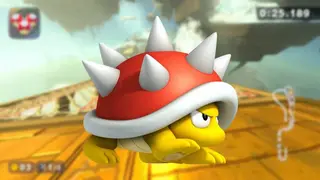
A recent datamining discovery has uncovered that Spiny, the iconic spiky-shelled enemy from the Super Mario series, was originally intended to be a playable character in Mario Kart World. Despite his lack of driving credentials and no visible animations or models in the final game, his presence in the code suggests he was once part of the roster. The inclusion of other unconventional drivers like Boo supports the idea that gameplay quirks were considered acceptable for the franchise.
A recent datamining discovery by Bluesky user Benial has revealed that Spiny, the spiky-shelled enemy from the Super Mario series first introduced in 1985, was originally intended to be a playable driver in Mario Kart World. His internal code name, "Togezo," appears alongside other characters in the game’s files, suggesting he was once part of the roster despite lacking any visible model, animation, or gameplay mechanics for driving. The revelation surfaced on October 29, 2026, in a news report by Connor Makar for a gaming news aggregator, highlighting that while Spiny has no known driving credentials, his inclusion in the code aligns with the game’s broader design philosophy of embracing unconventional characters—such as Boo, a ghost with no physical form. Mario Kart World, released as a Nintendo Switch 2 launch title, has since seen strong sales and post-launch updates including battle mode and team races, though Spiny remains absent from the final product.
The background for this revelation lies in the game’s development ethos, which has historically embraced whimsy over realism—evidenced by playable ghosts, sentient mushrooms, and other non-traditional racers. The fact that Boo is already a confirmed driver supports the idea that functionality was not a strict requirement for inclusion. Nintendo, as the developer and publisher, likely prioritized creative freedom and fan engagement over mechanical plausibility. Benial’s discovery adds to a growing trend of community-dr
This discovery may influence how fans and developers view game development transparency, reinforcing the idea that even minor characters can hold hidden significance in unfinished content. It could inspire greater community interest in modding and reverse engineering, especially as players seek to understand the creative decisions behind beloved franchises. The story also reflects a broader cultural fascination with "what if" scenarios in gaming—similar to how the canceled Super Mario RPG remaster or the unused characters in Super Smash Bros. Ultimate sparked online discourse. Such revelations may bolster nostalgia-driven engagement and encourage publishers to consider post-launch content expansions based on unearthed material. While unlikely to impact mainstream markets, this event could affect indie developers who draw inspiration from Nintendo’s openness to experimental design. It also raises questions about intellectual property and the ethics of publicizing unannounced or cut c