Romance and Marriage Now Possible in Crimson Desert with New DLC
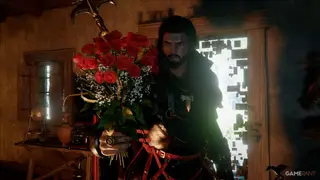
The Charting the Unknown DLC for Crimson Desert introduces romance mechanics, allowing players to build trust with NPCs, flirt, and eventually marry or divorce them. Players must raise an NPC's Trust to +100 through gifts and dialogue before initiating romantic interactions. Marriage unlocks special in-game benefits, while divorce is also a possible outcome based on player choices.
The Charting the Unknown DLC, released on October 30, 2026, introduces romance mechanics to Crimson Desert, a 2026 open-world action-adventure game developed by Pearl Abyss. Players can now build romantic relationships with non-player characters (NPCs) by raising their Trust level to +100 through daily interactions, gifts like Gold Bars, and dialogue choices. Once Trust reaches +100, players may begin flirting, which must also be raised to +100 before a marriage proposal can be made—though this requires time skips due to in-game cooldowns. Marriage grants permanent map markers for the spouse, allows them to move in and accompany the player, and provides unique gifts. Divorce is possible but carries unknown consequences. Only NPCs with a heart symbol on their Trust icon can be romanced; this includes random NPCs, shop vendors, and Witches after completing side quests, though protagonists like Damiane and Greymanes are excluded. Same-sex romance options exist for characters such as Oongka, Kliff, and Damiane.
This development reflects a broader trend in live-service games toward emotional depth and player agency in narrative progression. Pearl Abyss, known for its high-production open-world titles, appears to be expanding Crimson Desert’s appeal beyond combat and exploration into social simulation elements. The inclusion of divorce mechanics suggests a move toward more complex relationship systems, potentially influencing future game design. However, the long-term effects of s
The integration of romance and marriage mechanics into Crimson Desert could deepen player investment in virtual worlds, particularly among audiences seeking emotional engagement beyond traditional gameplay loops. This shift may influence how players perceive digital relationships, potentially normalizing long-term emotional commitments within games. Adjacent markets—such as in-game economies, cosmetic items tied to relationships, and community-driven content like fan fiction or roleplay—may grow as a result. A comparable precedent is The Sims series, where relationship systems have driven sustained player engagement for decades. However, unlike The Sims’ structured life simulation, Crimson Desert’s approach is more narrative-driven and limited in scope, which may constrain its cultural impact. Still, the feature could inspire other developers to experiment with emotional mechanics in open-world games. What remains uncertain is whether such systems will be adopted widely or remain niche