Call of Duty: Modern Warfare 4 removes real disaster footage after backlash from survivors’ families
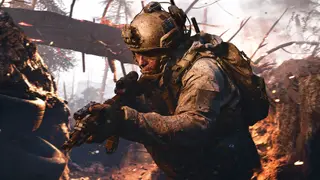
Activision has agreed to remove real footage from the 2022 Seoul Halloween crowd crush—used in Modern Warfare 4’s opening cinematic—as a result of strong objections from victims' families. The company apologized, stating the clips were intended for narrative effect, not to reference the tragedy. The update removing the footage is scheduled for November 12.
Call of Duty: Modern Warfare 4’s opening cinematic featured real footage from the 2022 Seoul Halloween crowd crush in Itaewon, a tragic event that resulted in 160 deaths and nearly 200 injuries during a crowded celebration. The game used this footage to depict the aftermath of a fictional North Korean invasion of South Korea, aiming to create a sense of realism and urgency within its narrative. Activision acknowledged the use of the clips was intended for dramatic effect, not to reference the actual disaster, but faced immediate backlash from families of the victims. A BBC report cited statements from these families condemning the use of such a sensitive real-world tragedy as entertainment material, calling it “highly inappropriate and senseless.” In response, Activision issued a public apology, expressing “deepest condolences” and committing to remove the footage. The update to edit out the clips is scheduled for November 12, 2026, though no details were provided on whether the change will be retroactive or affect all platforms equally. The incident highlights ongoing tensions between narrative realism in video games and ethical boundaries around real-world trauma.
The controversy stems from prior decisions by Infinity Ward and Activision to incorporate real-world events into fictionalized military scenarios, a practice that has drawn scrutiny before—such as with the use of footage from the 2013 Boston Marathon bombing in earlier Call of Duty titles. While such choices are
The use of real disaster footage in a commercial video game raises concerns about the commodification of trauma and the ethical responsibilities of entertainment creators. Families of victims, particularly those from high-profile tragedies like the Seoul crush, may experience renewed distress when their suffering is repurposed for profit-driven narratives. This incident could prompt broader scrutiny of how game developers source and use real-world footage, potentially leading to stricter internal review processes or industry-wide guidelines. Comparable cases include the backlash against games that used imagery from the 2013 Boston Marathon bombing or the 2015 Paris attacks, which led to similar content removals. The outcome may influence how publishers balance narrative authenticity with cultural sensitivity, especially in globally distributed titles. It could also affect public trust in gaming as a medium, particularly among younger audiences who may not distinguish between fiction an