Horror Game Creators Urge Players to Embrace Discomfort for Deeper Meaning
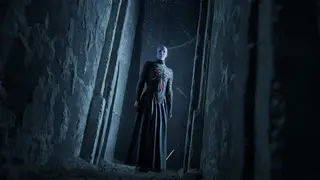
Game developers in the horror genre argue that players often avoid their titles due to fear, missing out on the emotional and intellectual growth such experiences can offer. They emphasize that confronting discomfort through art, like horror games, fosters resilience and empathy. The creators believe these games serve not just as entertainment but as tools for personal enrichment and understanding difficult human experiences.
Horror game developers including Antony de Fault of Saber’s *Clive Barker's Hellraiser: Revival*, Chantal Ryan of the upcoming *darkwebSTREAMER*, and the co-founders Emmett Nahil and Son M. of Perfect Garbage (working on *Grave Seasons*) are publicly advocating for players to embrace discomfort as a path to personal growth. They argue that fear in games is not merely entertainment but a form of emotional and intellectual enrichment, akin to how literature or film has long challenged audiences with difficult themes. Despite this, many players avoid horror titles due to visceral reactions, a trend noted by Ryan who observes that people often reject "unpleasant stuff" outright. This resistance is mirrored in critical institutions: the Golden Globes, for instance, excluded *Obsession*—a record-breaking horror film—from its horror category, instead classifying it as a musical or comedy. Similarly, *Sinners*, a critically acclaimed horror with historical drama elements, won in the "Drama" category at the 2026 Golden Globes and received multiple Academy Award nominations, suggesting that horror only gains legitimacy when filtered through more mainstream genres or associated with established auteurs like Ryan Coogler. Indie horror games such as *Grave Seasons* and *darkwebSTREAMER* aim to push emotional boundaries but struggle for recognition compared to multiplayer hits like *R.E.P.O.* or *Lethal Company*, which succeed largely due to social mechanics rather than psychological depth
The push by horror game creators to reframe fear as a tool for empathy and resilience could influence how players perceive emotional engagement in media. If accepted, this perspective may encourage broader acceptance of challenging content across games, film, and narrative art—potentially elevating indie horror titles that prioritize psychological depth over spectacle. This shift may also pressure award bodies to create dedicated categories for genre works, as seen with the growing recognition of horror in film despite institutional resistance. A comparable precedent is the slow but steady rise of video games in mainstream cultural institutions like museums and film festivals, where their artistic value was once contested. The impact could ripple into education and therapy, where controlled exposure to discomfort might be explored as a method for building emotional resilience. However, this movement may also deepen divides between audiences who seek escapism and those open to discomfor