Classic 3D Platformer Super Mario Galaxy Now Accessible in Any Web Browser
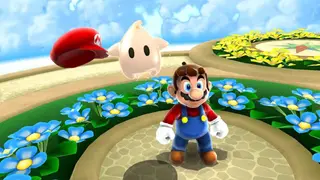
A new browser-based version of Super Mario Galaxy has been released, allowing players to experience the iconic 2007 game using only a mouse and keyboard. The port eliminates the need for console hardware, making it more accessible to casual and nostalgic players alike. It also addresses long-standing complaints about control precision by optimizing input for web play.
In October 2026, a browser-based version of Super Mario Galaxy—originally released by Nintendo on November 1, 2007—became accessible via web platforms, enabling gameplay using only a mouse and keyboard. This port, developed with the assistance of AI tools like Claude, bypasses the need for original hardware such as the Wii or Switch, making the critically acclaimed 3D platformer available to a broader audience. The version specifically addresses long-standing criticisms about motion control precision by replacing the Wii Remote’s physical gestures with standard keyboard and mouse inputs, improving accessibility for casual and nostalgic players. While the game retains its core mechanics—gravity-defying planetary traversal, orchestral soundtrack, and cooperative multiplayer—the shift in input method alters the tactile experience, though reviewers note it functions effectively. The port exists in a legal gray area: unlike traditional ROM-based emulators that require users to own a copy of the game, this browser version appears to provide direct access, raising concerns about copyright infringement. Nintendo has not issued any public response, but legal teams are likely monitoring the situation closely, especially given the game’s status as Metacritic’s fifth-highest-rated title of all time.
The broader context involves a surge in AI-assisted game preservation efforts over recent months, where decompilation and reverse engineering have been accelerated by machine learning tools.
This browser port could significantly expand access to a landmark title for players without consoles, potentially introducing Super Mario Galaxy to new generations who may otherwise never experience its innovative design. It may also influence how digital preservation is perceived—shifting from underground emulation communities to mainstream web platforms, where cultural artifacts are more easily discovered and shared. However, this ease of access may strain relationships between preservation advocates and rights holders, especially if such ports proliferate without licensing. A comparable precedent is the early 2000s rise of Flash-based game archives like Newgrounds, which democratized access but eventually faced legal pushback as copyright enforcement evolved. The current situation may prompt publishers to reconsider their stance on emulation or develop official web versions themselves. What could emerge next is a hybrid model where preservationists and corporations collaborate—perha