Fans Protest EA’s Mass Effect Cancellation with Graffiti Outside Madrid HQ
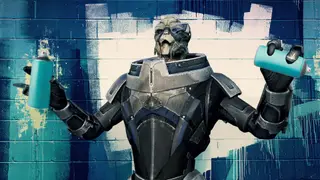
A graffiti message reading '#SaveMassEffect' appeared outside EA's Madrid office, sparking debate within the gaming community. The act follows a growing campaign to revive the franchise after BioWare's closure and EA’s controversial corporate decisions. While some see it as a powerful statement, others argue it undermines the movement by appearing extreme.
On October 31, 2026, a graffiti message reading "#SaveMassEffect" appeared on the sidewalk and wall outside Electronic Arts’ Madrid office, drawing attention from gaming communities worldwide. The act was reported by Reddit user u/Ok_Link9625, who claimed to have discovered it while leaving a movie theater across the street—though some users questioned whether the poster might be the same person who created the graffiti, citing the timing and location as suspicious. The incident follows months of growing fan activism after EA’s decision to close BioWare in 2023, which had developed the Mass Effect franchise, one of gaming’s most influential RPG series. A petition supporting the revival of the franchise has gathered nearly 300,000 signatures, with fans from other franchises like Dragon Age and Anthem joining the movement. The Madrid graffiti is not an isolated event; it echoes a prior campaign that included a #SaveMassEffect billboard in Times Square, indicating sustained grassroots momentum.
The controversy centers on whether such acts of public protest are effective or counterproductive. Critics argue that vandalism undermines the legitimacy of the fan movement, with some users calling the act “petty” and “dumb,” warning it could alienate potential allies or make fans appear irrational. Others defend the gesture as symbolic, noting that graffiti is easily removed and not equivalent to serious damage. The core conflict involves EA’s corporate decisions—particularly its acq
The Madrid graffiti incident reflects a broader tension in digital culture between passionate fandom and institutional power. While the act itself may not directly impact EA’s business strategy, it contributes to a growing narrative that consumer sentiment can shape corporate behavior—especially when tied to emotionally resonant franchises. The Mass Effect community’s response mirrors earlier fan-led movements like #SaveTheLastOfUs or campaigns against game cancellations such as No Man’s Sky’s early reception, where public outcry influenced developer and publisher decisions. However, unlike those cases, this event lacks clear evidence of coordinated activism, raising questions about authenticity and the role of performative protest in online spaces. The incident may also affect how publishers perceive fan engagement—potentially leading to more defensive or reactive PR strategies. What could emerge next is a shift toward more organized, legally sanctioned advocacy, such as crowdfunding