EA Chose Star Wars Battlefront 3 Over Mass Effect Universe, Citing Financial Risk
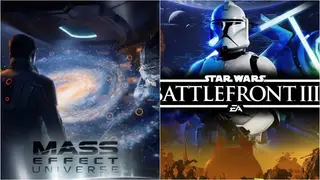
According to reports from Jason Schreier, EA canceled the Mass Effect Universe project not due to creative issues but because it prioritized funding for Star Wars Battlefront 3 amid financial pressures from a $55 billion leveraged buyout. The decision reportedly sidelined Laura Miele, a key advocate for the franchise, and led to the closure of BioWare despite only around 50 developers remaining on the project. The move reflects EA’s shift toward perceived safer investments during a high-debt period.
In October 2026, Electronic Arts (EA) canceled BioWare’s Mass Effect Universe project, a long-in-development RPG set to follow Commander Shepard’s legacy 600 years later, despite having only around 50 developers remaining on the team. According to journalist Jason Schreier, EA made this decision not due to creative shortcomings but as part of a strategic pivot driven by financial strain from a $55 billion leveraged buyout led by Saudi Arabia’s Public Investment Fund (PIF). The company opted instead to prioritize funding for Star Wars Battlefront 3—a project that had not yet entered development—over the Mass Effect sequel, which was still years away from completion. This choice came amid broader cost-cutting measures, including the sidelining of Laura Miele, a key advocate for BioWare and the Mass Effect franchise, and a leadership shift toward executives with backgrounds in EA’s sports division. The closure of BioWare followed a wave of layoffs that extended beyond the studio, totaling 350 jobs company-wide. Meanwhile, the Mass Effect television adaptation by Amazon continues, indicating that the franchise’s narrative ambitions persist even as its core game development has been abandoned.
The decision reflects deeper industry trends: a shift toward safer, more predictable franchises during periods of high debt and investor pressure. EA’s recent track record—marked by underperforming titles like Anthem and Mass Effect: Andromeda—likely influenced executives’ perception of ris
The cancellation of Mass Effect Universe could signal a broader trend in the gaming industry where financial pressures override creative legacy, especially for studios with inconsistent commercial performance. With EA’s massive debt load and investor demands, decisions may increasingly favor franchises with proven sales potential—like Star Wars—over long-term, narrative-driven projects. This shift risks eroding trust among fans of complex RPGs and could discourage investment in ambitious game development. The closure of BioWare, once a flagship for storytelling in gaming, may also impact the talent pool, pushing skilled developers toward safer or more stable environments. A comparable case is the 2018 shutdown of THQ Nordic’s internal studios, which similarly prioritized established IPs over experimental projects. What may follow is increased scrutiny of corporate ownership models in gaming, with potential calls for government or union-backed support for creative studios. The outcome c