Director Reveals True Origins Behind Meigu Lake’s Design
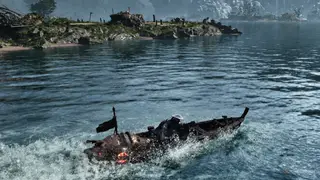
The director of Phantom Blade Zero has disclosed that Meigu Lake was inspired by real-world Chinese landscapes rather than The Legend of Zelda: Wind Waker, despite its visual similarities. The design draws from traditional Chinese watercolor aesthetics and regional geography, emphasizing cultural authenticity in the game's world-building.
In October 2026, director Soulframe of S-Game revealed that Meigu Lake in Phantom Blade Zero was not inspired by The Legend of Zelda: Wind Waker, despite visual similarities that sparked widespread fan speculation. Instead, the lake’s design draws from traditional Chinese wuxia culture and regional geography, particularly emphasizing the concept of jianghu—literally “rivers and lakes”—as a symbolic space for martial arts lore and adventure. The game, released on October 29, 2026, uses Unreal Engine 5 and is categorized as an action RPG developed and published by S-Game. Soulframe emphasized that the lake’s structure—featuring isolated islands, hidden treasures, and mysterious enemies—was crafted to reflect the narrative and emotional weight of wuxia storytelling, where exploration often leads to personal transformation or revelation. This revelation comes after a prior report by Sam Woods, TheGamer’s Senior Reporter, who noted fans’ comparisons between Meigu Lake and Wind Waker’s Great Sea during early gameplay impressions. Woods, a veteran games journalist with experience covering major events like Gamescom and Tokyo Game Show, conducted an in-depth interview with Soulframe in China, which formed the basis of this disclosure. The director’s intent was to ground the game’s world-building in authentic cultural roots rather than emulate Western fantasy tropes.
The broader significance lies in how Phantom Blade Zero challenges the industry’s tendency to default to Western fanta
The revelation about Meigu Lake’s origins could reshape expectations for culturally grounded game design, particularly in Western markets where East Asian aesthetics are often interpreted through a lens of imitation. If Phantom Blade Zero gains acclaim for its authentic wuxia-inspired world-building, it may encourage other developers to invest in deep cultural research rather than relying on surface-level visual homage. This shift could empower indie and mid-tier studios to differentiate their products by emphasizing regional storytelling—potentially leading to more diverse content across genres. A comparable precedent is the success of Ghost of Tsushima, which similarly embraced Japanese cultural authenticity and earned critical praise for its respectful representation. However, unlike that title, Phantom Blade Zero’s focus on wuxia—a genre less familiar to global audiences—means its reception may hinge on how effectively it communicates its cultural roots without alienating players u