November’s Gaming Slate Features Reimagined Classic and Diverse Early Access Titles
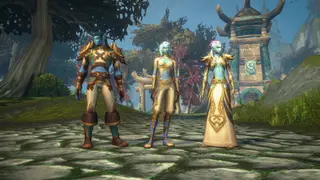
This week's gaming releases center around a re-release of the iconic World of Warcraft: Forever, offering an evolving Azeroth with ongoing content updates. Additional highlights include a space-based co-op action game called Gravahounds, a family-friendly farming simulation named Loftia, and an expansive medieval city-builder titled County of Fortune. The lineup also features an open-world MMORPG and a quirky puzzle game called Find The Needle, all available in early access.
World of Warcraft: Forever, released on Wednesday, November 4th, 2026, marks a reimagined continuation of Blizzard’s iconic MMORPG, now rebranded and reborn as an evolving, live-service experience with ongoing content updates. This release follows the original game’s 2004 debut, now over two decades old, and positions Azeroth as a dynamic world that grows through regular patches rather than static expansions. Concurrently, several early access titles launched throughout the week: Gravahounds (Nov 2), a physics-driven co-op action game on Steam; Loftia (Nov 3), a family-friendly multiplayer farming simulation; ArcheAge Chronicles (Nov 4), an open-world MMORPG set in the rediscovered land of Auroria; County of Fortune (Nov 5), a large-scale medieval city-builder with procedural world generation; and Find The Needle (Nov 6), a surreal puzzle game centered on digging through a haystack to find a single needle. These titles, all available in early access with demos, reflect a broader industry trend toward iterative development and community-driven content. The release slate also includes remastered titles like Godzilla: Destroy All Monsters Melee Remastered and new entries such as Heart Abyss and Airframe Ultra. The context for this wave of releases is shaped by recent industry shifts—such as Sony’s reported move to reduce PC porting (May 2026) and the increasing prominence of platforms like Steam and GoG, which support both remasters and indie early access games. Blizzard, Epic G
The resurgence of World of Warcraft through a rebranded, evolving format could signal a broader industry shift toward perpetual content delivery over traditional game lifecycle models. If WoW: Forever succeeds in maintaining player interest through regular updates, it may reinforce the viability of live-service games as long-term investments—potentially influencing how publishers approach legacy franchises. The prominence of early access titles like Loftia and County of Fortune reflects growing audience appetite for community-driven development and incremental progress, particularly on PC where modding and feedback loops are more accessible. This trend may pressure traditional studios to adopt more flexible release strategies, especially as platforms like Steam and GoG continue to support indie innovation. A comparable precedent is the enduring success of Minecraft, which evolved from a simple prototype into a global phenomenon through continuous updates and community engagement. What’