Fans Worry Red Riding Hood Was Excluded from Shrek 2 Remaster
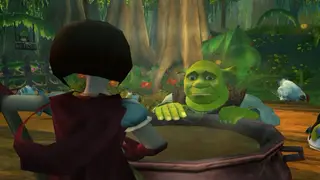
The upcoming remaster of the 2004 Shrek 2 game has sparked concern among fans, as Red Riding Hood—known as Lil’ Red—is absent from all official trailers and promotional materials. Despite her significant role in the original game, her omission has led to speculation about whether she was cut during development.
The upcoming Shrek 2 Remastered, announced in November 2026 by publisher Aspyr, has sparked widespread concern among fans due to the apparent absence of Red Riding Hood—known in-game as Lil’ Red—from all official promotional content. Despite her prominent role in the original 2004 game developed by Activision and built on the Unreal Engine 2, Lil’ Red does not appear in any reveal trailer, screenshots, or achievement list. Notably, her bonus level is represented only by a treasure chest icon, and no achievement exists for her signature "Hero Time" moment—unlike Fiona and Gingy, who each have dedicated achievements. This omission has led to speculation that she may have been cut from the remaster, despite her presence in multiple levels and cutscenes in the original title. A single screenshot shared by Twitter user ShrekHistory appears to show Lil’ Red in-game, though its origin remains unverified. The game’s marketing strategy—focusing on more recognizable characters like Shrek and Donkey—may explain the oversight, but fans remain skeptical.
The 2004 Shrek 2 game was notable for its unusual design choices, including a GTA-style wanted system in the Far Far Away level, and it established Lil’ Red as a key ally to Shrek despite her minimal screen time in the film. Her inclusion in the original game was significant for fans of the franchise’s video game adaptations, which have often been overlooked despite their cultural footprint. Aspyr, responsible for the remaster, has not c
The controversy reflects broader tensions in how legacy media properties are re-released to new audiences, particularly when fan expectations clash with corporate branding strategies. Fans of older licensed games often view such remasters as nostalgic preservation rather than reinvention, and omissions of beloved characters can feel like erasure—especially when those characters were central to the original experience. The situation may affect consumer trust in remaster projects, particularly for franchises with strong community followings. Comparable cases include the 2017 remaster of *The Legend of Zelda: Ocarina of Time*, where fans criticized the removal of certain collectibles and gameplay tweaks, or the backlash over character changes in *Crash Bandicoot N. Sane Trilogy*. These incidents show that even well-intentioned updates can alienate long-time fans. In this case, Aspyr may be trying to streamline marketing around core characters, but the lack of communication could damage co