Leaked Prototype Reveals Abandoned Portal Prequel F-Stop
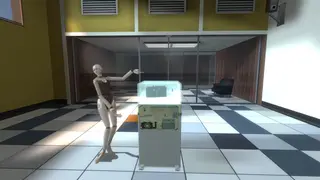
A fully playable version of Valve’s cancelled 2007 Portal prequel, F-Stop, has surfaced after three separate leaks were combined. The game, which was reportedly shelved due to creative direction shifts, offers insight into early Portal universe concepts and gameplay mechanics. The leak has sparked renewed interest among fans and developers alike, highlighting the enduring legacy of Valve’s unproduced projects.
In November 2026, a fully playable prototype of Valve’s abandoned 2007 game F-Stop—a prequel to Portal—surfaced online after three separate leaks were combined. The first leak, dubbed “Steam2,” occurred in late August and exposed approximately 13 terabytes of Steam depot data from 2003 to 2013, including early assets for F-Stop. However, this initial release lacked the game’s source code and mapsrc files—critical components for full functionality. These missing pieces were later obtained through the Valve Cut Content project’s Discord server, where a user initially demanded $1,000 but ultimately released them for free. The Valve Cut Content team verified the authenticity of the files, allowing the community to reconstruct F-Stop into a nearly complete, playable version. Despite minor missing assets and dialogue, the game is reported to be 99% functional, offering insight into early Portal universe concepts, including a camera-based puzzle mechanic that was later repurposed in Portal 2.
F-Stop originated during a three-month experimental period in 2007 when Valve formed five teams to prototype games under Gabe Newell’s “Directed Design Experiments” initiative. The fifth team developed F-Stop as a prequel to Portal, centered on manipulating perspective through an Aperture Science camera. Though Newell praised the concept, playtesters found it underwhelming, leading to its cancellation. While some of its ideas were integrated into Portal 2, the original project remained lost
The F-Stop leak could deepen public fascination with lost or abandoned game projects, particularly those from influential developers like Valve. As digital preservation becomes increasingly vital in gaming culture, such leaks may serve as unintended archives, preserving creative work that might otherwise vanish. This phenomenon echoes the 2013 release of early Half-Life 2 content through the “Half-Life 2: Episode One” modding community, which similarly sparked debate over intellectual property and access. The leak may also influence how developers view their own unproduced work—knowing it could surface decades later, potentially affecting future creative decisions. For Steam and Valve, this raises questions about data security and the long-term implications of storing vast internal assets. While not a direct threat to current operations, it may pressure the company to reconsider how it handles legacy content. The broader gaming community may see increased interest in modding and revers