Apple's HomeView Smart Display May Double as a Security Camera with Advanced Privacy Controls
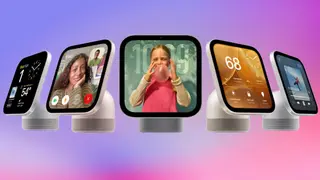
A newly discovered software feature in Apple's HomeView smart display suggests it could function as a home security camera using its existing camera hardware. The device may support motion detection, live streaming, and video recording through HomeKit Secure Video, with customizable settings based on household presence and privacy indicators like green lights and alerts. It could also serve as a baby or pet monitor, with future models potentially featuring 360-degree rotation for broader coverage.
A recently discovered software feature in Apple’s HomeView smart display, identified in version 27.2 of its operating system, suggests the device could double as a home security camera using its existing front-facing camera hardware. Though Apple has not officially confirmed this capability, developers and users have found references within the software that point to support for motion detection, live streaming, and video recording via HomeKit Secure Video. The feature would allow users to customize settings such as disabling the camera entirely, enabling motion-only alerts without recording, or activating both live viewing and storage. The system is designed to adapt based on household presence—recording only when no one is home, for example—and includes privacy safeguards like a green indicator light and audible alerts when recording begins. Additionally, users would receive notifications if camera settings are changed, reinforcing transparency.
This potential functionality builds on Apple’s long-standing focus on privacy and integration within its ecosystem. The HomeView display already supports FaceTime and facial recognition, making the addition of security features a natural extension of its existing capabilities. The rumored higher-end model with a 360-degree rotating robotic arm, reported by Bloomberg’s Mark Gurman, could further enhance monitoring versatility. However, no official announcement has been made about this feature or its availability in future updates. A
The potential expansion of HomeView into a security camera could deepen Apple’s foothold in smart home ecosystems, where privacy and seamless integration are key differentiators. If implemented, this feature may appeal to users wary of third-party cameras due to data-sharing concerns, as Apple’s HomeKit Secure Video emphasizes end-to-end encryption and on-device processing. This could influence consumer trust in Apple’s hardware over competitors like Ring or Arlo, especially among privacy-conscious households. The inclusion of visual and auditory privacy indicators may also set a new standard for transparency in surveillance technology, potentially pressuring other companies to adopt similar safeguards. A comparable precedent is the evolution of the iPhone into a de facto security device through features like Face ID and emergency SOS—functions that were initially niche but became central to user experience. If HomeView follows a similar path, it could shift how people perceive smart