Ocarina of Time Remake Faces Unprecedented Pressure as Switch 2’s Flagship Launch Title
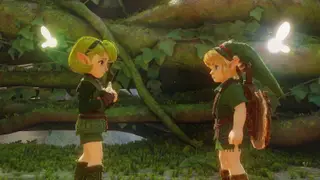
The upcoming remake of The Legend of Zelda: Ocarina of Time is now seen as the most critical game for the Switch 2's success, overshadowing even major releases like Grand Theft Auto 6. Its reception will heavily influence perceptions of the new console’s capabilities and appeal to both longtime fans and newcomers. The game’s ability to modernize a classic while maintaining its legacy is under intense scrutiny.
The Legend of Zelda: Ocarina of Time remake, scheduled for release in November 2026 on the Nintendo Switch 2, has unexpectedly become the console’s most anticipated title—surpassing even Grand Theft Auto 6 in cultural significance and commercial expectation. This shift is largely due to the cancellation of FromSoftware’s The Duskbloods, a high-profile action-RPG directed by Hidetaka Miyazaki, which was originally set for a 2026 launch but delayed indefinitely into 2027. The Duskbloods, with its time-bending mechanics and Miyazaki’s proven track record across titles like Dark Souls, Bloodborne, and Elden Ring, was widely expected to be a flagship exclusive that could redefine the Switch 2’s identity. Its absence has left a void filled by the Ocarina of Time remake—a project that, while technically impressive in visuals and fidelity, is seen as a conservative reworking of a 1998 classic with minimal innovation. Nintendo, aiming to solidify its new console’s legacy through nostalgia-driven exclusives, now faces immense pressure to deliver a flawless experience. Meanwhile, FromSoftware and Miyazaki are pursuing their own vision, but their delay has shifted the spotlight entirely onto Nintendo’s ability to modernize a masterpiece without alienating purists or underwhelming new players. What remains unresolved is whether the remake will succeed in balancing reverence with evolution—and whether the Switch 2 can still attract non-Nintendo audiences without a bold, original title.
The Ocarina of Time remake’s elevated status reflects broader cultural anxieties around game preservation and legacy. As gaming becomes increasingly recognized as an art form, the pressure to “get it right” when remaking seminal works grows exponentially—especially for titles that define entire genres. The intense scrutiny on this remake mirrors past debates over the 2019 remake of Final Fantasy VII, where fans clashed over modernization versus authenticity. If the Ocarina of Time remake fails to meet expectations, it could reinforce skepticism about remakes as a whole, potentially discouraging future preservation efforts. Conversely, if it succeeds, it may set a new benchmark for how classic games are reinterpreted—possibly influencing studios to invest more in archival projects. The absence of The Duskbloods also highlights the fragility of platform identity: a single high-profile delay can shift market perception and consumer confidence. What’s next could be a pivotal moment for Nin