Post-update phone slowdowns are normal — here’s why and how long they last
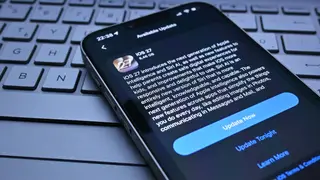
After installing a major OS update, phones often slow down temporarily due to background indexing processes that reorganize data. This increases CPU and GPU usage, reducing available resources for apps and animations. The issue is usually temporary, though older devices may experience lasting performance drops due to hardware limitations.
After installing a major operating system update on smartphones running iOS or Android, users often experience temporary performance slowdowns characterized by sluggish animations, increased device warmth, and faster battery drain. These effects are not random but stem from specific background processes initiated during the update. On iPhones, Apple’s Spotlight search feature reindexes all user data after an update, a process that can take hours to days depending on the volume of stored information. Android devices undergo a similar reindexing phase to ensure data integrity and system consistency. These processes significantly increase CPU and GPU usage, temporarily reducing available resources for apps and visual effects. The phenomenon is especially noticeable on older devices with less powerful hardware, which may struggle to keep up with newer software demands. For example, the text references how iOS 7 ran poorly on the iPhone 4, illustrating a historical precedent where outdated hardware could not support modern OS features. Apple and Android manufacturers design updates around current hardware capabilities, meaning older models may not be optimized for new versions, leading to long-term performance degradation.
The organizations involved—Apple and Google (via Android)—prioritize system stability, security, and feature enhancements in their updates, even if this causes short-term user inconvenience. Their goal is to ensure data integrity and future-proofing, which just
The temporary slowdowns following OS updates could affect millions of smartphone users, particularly those with older devices who may misinterpret the lag as a hardware failure. This may lead to unnecessary device replacements, increasing electronic waste and consumer spending. The broader market impact includes reduced user trust in software update reliability, potentially affecting brand loyalty for Apple and Google. Adjacent sectors such as mobile repair services and secondhand phone markets may see increased demand as users seek fixes or upgrades. A comparable case is the widespread backlash over iOS 7’s performance on older iPhones, which contributed to a perception that Apple intentionally degraded older devices—a controversy that reshaped public discourse around planned obsolescence. While current updates are not maliciously designed to slow devices, the user experience may still foster similar skepticism. What to watch for next includes whether manufacturers will adopt more tra