Apple Can't Forecast When iPhone Duo Supply Will Improve Amid Memory Cost Surge
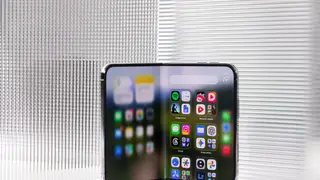
Apple CEO John Ternus confirmed the company cannot predict when supply of its new foldable iPhone Duo will meet demand, citing unprecedented memory pricing. The device launched at $1,999 with limited availability and delayed shipments expected into 2027. Apple has also seen rising costs across its product line, contributing to price hikes on older models.
Apple CEO John Ternus confirmed in a November 2, 2026, interview with Reuters that the company cannot predict when supply of its new foldable iPhone Duo will meet demand, citing "unprecedented" memory pricing as the primary constraint. The device, launched at $1,999 with a 5.4-inch outer display and a 7.6-inch inner screen, sold out during preorders and is expected to have delayed shipments extending into 2027. Limited in-store availability was offered at launch, underscoring the scarcity. Ternus also addressed early reports of cracked screens, stating that only a "very small percentage" of units were returned for this issue, with Apple replacing affected devices. The company’s Q4 2026 earnings call revealed that rising memory costs—described as “unprecedented”—are affecting all product lines, leading to price increases on older models and higher starting prices for the iPhone 18 Pro and Pro Max. Despite the absence of a standard iPhone 18 model, Apple reported record iPhone revenue of $57.58 billion in Q4 2026, driven by premium demand.
The situation reflects broader supply chain pressures and semiconductor cost volatility that have plagued tech firms for years, but the scale of memory pricing disruption appears to be exceptional. Apple’s decision to prioritize foldable innovation over a standard model signals a strategic pivot toward high-margin, cutting-edge hardware, even at the cost of availability. Ternus acknowledged that memory costs are expected to rise further in t
The iPhone Duo’s constrained availability could deepen market fragmentation, favoring affluent consumers while limiting access for broader demographics. This scarcity may amplify perceptions of exclusivity but risks alienating price-sensitive buyers, especially as Apple continues to raise prices across its lineup. The ripple effects may pressure competitors like Samsung and Google to accelerate their own foldable innovations or offer more affordable alternatives, potentially reshaping the mid-tier smartphone market. Historically, similar supply bottlenecks—such as those during the 2018 iPhone XS launch—led to temporary demand spikes but also eroded trust when delays persisted. In this case, Apple’s reliance on premium pricing and limited availability may be a calculated risk to maintain margins amid rising input costs. However, if consumer patience wanes or competitors gain traction with more accessible foldables, Apple could face long-term brand fatigue. What to watch for next is whet