Public Sentiment Turns Negative Against Data Centers Amid Rising Concerns
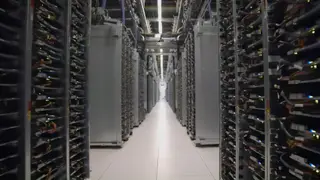
A newly launched database analyzing over 10,000 public comments on data center proposals across more than 410 U.S. local governments reveals that over 90% express negative opinions. Water usage emerged as the top concern, with 73% of community meetings lacking any visible support for such projects. AI was mentioned in only 21% of comments, indicating public focus remains on environmental and local impact rather than technological benefits.
A newly released database analyzing over 10,000 public comments on data center proposals across more than 410 U.S. local governments reveals that over 90% express negative opinions toward such projects. Water usage emerged as the top concern, cited by a majority of commenters, with 73% of community meetings showing no visible support for proposed developments. Notably, AI was mentioned in only 21% of comments, indicating public discourse remains focused on environmental and local impacts rather than the technological benefits of data centers. The findings come amid growing scrutiny of large-scale infrastructure projects tied to digital expansion, particularly as climate concerns and resource scarcity intensify. This data reflects a broader trend where community resistance is outpacing enthusiasm, even as demand for cloud computing and AI-driven services continues to rise.
The background includes years of unchecked expansion by tech giants like Amazon, Microsoft, and Google, which have increasingly located data centers in water-stressed regions such as Texas and Arizona. Earlier reporting has highlighted environmental risks, including strain on local aquifers and increased energy consumption. While companies argue that data centers are essential for innovation and economic growth, local governments face mounting pressure to balance development with sustainability. The lack of public support—especially the absence of visible advocates in nearly three-quarters of meetings—sugge
The growing public opposition to data centers reflects a broader societal tension between technological progress and environmental stewardship. Communities near proposed sites—particularly in drought-prone or ecologically sensitive areas—are likely to bear disproportionate burdens, raising equity concerns. This backlash could slow down the deployment of critical digital infrastructure, potentially affecting everything from cloud services to AI development timelines. The tech industry may respond with more transparent planning and community engagement, but without meaningful concessions, resistance could escalate into legal challenges or policy gridlock. A comparable precedent is the 2010s wave of opposition to large-scale fracking operations, where public concern over water contamination led to moratoriums in several states. Just as that movement reshaped energy policy, this data center backlash may influence how digital infrastructure is governed. The next key development to watch is