HAVN HS360 VGPU Case Delivers Compact Power with Superior Cooling and Build Quality
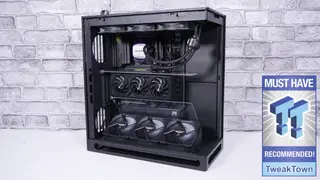
The HAVN HS360 VGPU mid-tower case offers a refined, smaller alternative to the larger HS420, focusing on enhanced thermal performance and improved construction. It supports BTF motherboards and features a design that balances space efficiency with robust cooling capabilities. Ideal for users prioritizing both form and function in compact builds.
The HAVN HS360 VGPU mid-tower case has been introduced as a more compact variant of the larger HS420 model, emphasizing improved thermal performance and refined build quality. Designed to support BTF (Bottom-Top-Front) motherboards, it caters to users seeking space-efficient yet high-performance PC builds. The case’s smaller footprint offers a compelling alternative for those who desire powerful computing in a reduced physical envelope without sacrificing cooling efficiency. While specific dimensions, component compatibility beyond BTF, or exact thermal metrics are not detailed, the product is positioned as a refined evolution of HAVN’s existing lineup.
This development follows a broader industry trend toward compact yet capable hardware solutions, particularly for users building high-performance systems in constrained spaces. The focus on superior cooling and build quality suggests HAVN is responding to user demand for reliability and performance in smaller form factors—especially relevant for gamers, content creators, and professionals using VGPU workloads. The company’s decision to refine the HS360 rather than introduce a completely new model indicates an emphasis on incremental improvement based on user feedback or market testing of earlier designs.
The primary actors are HAVN, the manufacturer aiming to strengthen its position in the premium mid-tower case segment, and end users who value both aesthetics and thermal efficiency. What remains unclear is whether the HS360
The HAVN HS360’s release could influence consumer preferences in compact PC builds, particularly among users balancing space constraints with performance needs. As remote work and home entertainment systems grow more demanding, demand for efficient, high-quality cases may rise. This case may set a benchmark for thermal management in smaller enclosures, potentially pushing competitors to improve cooling solutions without increasing size. A comparable precedent is the success of the Fractal Design Define series, which gained traction by blending quiet operation with strong airflow in compact designs. The broader impact may extend to peripheral manufacturers and retailers, who could see increased interest in compatible components like low-profile GPUs or efficient power supplies. However, it remains uncertain whether the HS360 will be adopted widely beyond niche markets. The next key indicators will be user reviews on thermal performance under sustained loads and long-term durability rep