Microsoft Unveils Tiered AI PC Strategy Featuring 8GB to 128GB Memory Across New Chip Platforms
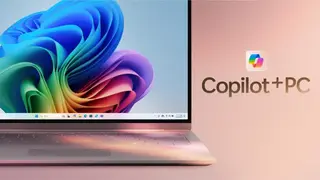
Microsoft has revealed a new roadmap for AI-capable Windows PCs, organizing devices into four tiers based on memory capacity and AI performance, ranging from 8 GB entry-level systems to 128 GB+ supercomputers. The plan emphasizes support for next-generation chips from AMD, Intel, and NVIDIA, with Tier 1 devices requiring at least 16 GB of RAM to qualify as Copilot+ ready. This strategy reflects Microsoft's ongoing push toward hybrid intelligence, despite recent scaling back of its Copilot+ ecosystem.
On November 3, 2026, Microsoft unveiled a four-tiered roadmap for AI-capable Windows PCs, defining hardware capabilities through memory capacity and AI performance levels. Tier 0 devices start at 8 GB of RAM and are built on older or entry-level platforms like Intel Core Series 3 and AMD Ryzen 100/200 series, targeting basic AI tasks such as local context handling. Tier 1, the mainstream segment, requires a minimum of 16 GB and is designated as Copilot+ ready, supporting advanced local AI functions including delegated and long-running tasks; it leverages newer chips like Intel Core Ultra Series 3 "Panther Lake" and AMD Ryzen AI 400 "Gorgon Point." Tier 2 and Tier 3 target professionals and builders, with systems featuring 128 GB+ memory and server-grade hardware such as NVIDIA RTX Spark "N1X," AMD Ryzen AI MAX+ 400, and Intel’s upcoming Crescent Island GPUs—capable of handling frontier models locally. These tiers reflect Microsoft’s long-term vision for hybrid intelligence across all user segments, even as it has recently scaled back on the Copilot+ branding rollout. The strategy involves collaboration with AMD, Intel, and NVIDIA, aligning hardware innovation with software-defined AI capabilities.
This move follows earlier reports of Microsoft's reduced emphasis on the Copilot+ moniker despite continued investment in underlying infrastructure. The company’s shift toward tiered performance reflects a strategic recalibration: while full Copilot+ branding may be reserved for hi
Microsoft’s tiered AI PC strategy could reshape how consumers perceive personal computing, shifting the focus from raw performance to localized intelligence. Users in education, remote work, and creative fields may benefit from faster, more private AI interactions—especially those who value data sovereignty over cloud reliance. However, the 8 GB entry-tier system may struggle with real-world usability, potentially alienating budget-conscious buyers expecting modern functionality. The emphasis on higher memory tiers could also widen the digital divide, favoring professionals and enterprises with deeper pockets. Comparable to the early days of SSD adoption—where initial cost barriers limited mainstream uptake—this rollout may follow a similar arc: premium features first, gradual democratization over time. Market dynamics may shift as OEMs prioritize Tier 1 and above hardware, possibly reducing innovation in low-memory segments. What’s next could include tighter integration between Window