Shueisha Confirms No Dragon Ball Super Manga at Upcoming Jump Festa, Ending Fan Hopes
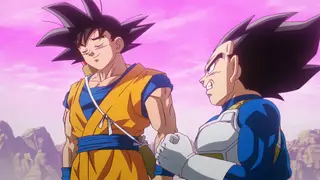
Shueisha has officially confirmed that the Dragon Ball Super manga will not be featured at Jump Festa 2027, effectively ending speculation about its return. The manga has remained on indefinite hiatus since the death of creator Akira Toriyama in 2024, amid unresolved ownership disputes among multiple stakeholders. This absence signals a potential shift in the franchise's future direction, with new projects like Dragon Ball Daima moving forward instead.
Shueisha has officially confirmed that the Dragon Ball Super manga will not be featured at Jump Festa 2027, marking a definitive shift in the franchise’s trajectory after more than two years of indefinite hiatus. The manga, which began serialization in 2015 under Akira Toriyama’s supervision and was illustrated by Toyotaro, has remained dormant since Toriyama’s passing in 2024. Despite ongoing monthly character illustrations from Toyotaro—whose X bio now reads “Everything is for the return of the series”—the absence of any official announcement or presence at Shueisha’s flagship event signals a likely end to the manga’s continuation under its current publisher. The omission was particularly notable because the official Jump Festa 2027 visual and lineup excluded Dragon Ball Super from the Jump Original Art World zone, a space reserved for major series; it was replaced by Metaphor: ReFantazio, also published in V Jump. Meanwhile, the Dragon Ball Super anime remains active, with a remake titled Dragon Ball Super: Beerus airing, indicating that the franchise is not being abandoned entirely.
The underlying complexity stems from unresolved ownership and rights disputes among multiple stakeholders: the Toriyama estate, Shueisha (the publisher), Toei Animation (the anime producer), Bandai Namco (merchandise and games), and Capsule Corporation Tokyo, a company linked to Akio Iyoku, a former Shueisha editor and longtime collaborator of Toriyama. The impending demolition of the Bird St
The absence of Dragon Ball Super at Jump Festa may signal a broader shift in how legacy franchises are managed post-creator, particularly when intellectual property rights become fragmented. Fans who invested years in following the manga’s original arcs—especially unadapted storylines like the Galactic Patrol—are left in limbo, potentially affecting long-term engagement with the franchise. The situation could also impact the wider manga ecosystem, where publisher loyalty and continuity are foundational; if Shueisha cannot sustain a flagship series after its creator’s death, it may erode trust in long-running franchises. A comparable precedent is the prolonged hiatus of *Berserk* after Kentaro Miura’s passing, which led to a fragmented fan base and eventual continuation by his team under new publishing arrangements. Here, the stakes are higher due to Dragon Ball’s global cultural footprint. What may follow is a reconfiguration of rights, possibly leading to a new manga series outside Sh