High-End PC Configurations Decline Among Gamers, Survey Reveals
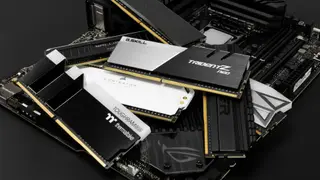
Recent data from the Steam Hardware & Software Survey indicates a notable drop in the share of PC gamers using 32GB or more RAM and 1TB or larger storage drives. The decline suggests shifting hardware trends, possibly due to cost sensitivity or changing game requirements. This marks a reversal in the trend toward increasingly powerful consumer systems.
Recent data from the Steam Hardware & Software Survey reveals a notable decline in high-end PC configurations among gamers, with the proportion of systems using 32GB or more RAM dropping by over 5% and the share of users with 1TB or larger storage drives decreasing by nearly 5%. These metrics mark a reversal in the trend toward increasingly powerful consumer hardware that had been observed in prior years. The survey, conducted by Valve and widely cited as a benchmark for PC gaming demographics, captures real-time usage patterns across millions of active Steam clients, making it a key indicator of market behavior. While the exact timeframe of this shift is not specified in the provided text, the change is described as significant enough to be labeled a "shockwave" in the tech press, particularly by outlets like Tom’s Hardware.
This trend may reflect growing cost sensitivity among consumers, especially amid broader economic pressures that have made high-end hardware less accessible. Alternatively, it could signal that modern games are becoming more optimized, reducing the need for massive RAM or storage capacity—though this remains speculative without further data. The shift also contrasts with earlier industry narratives promoting ever-increasing specs as a measure of performance and value. Key players in the ecosystem—Valve (as the survey’s publisher), AMD, Intel, and hardware manufacturers—may be adjusting their product roadmaps or marketing strategies in response. However,
The decline in high-end PC configurations among gamers could signal a broader shift toward more efficient, cost-conscious computing, potentially benefiting budget-conscious consumers and encouraging hardware manufacturers to prioritize value over raw power. This may lead to increased innovation in software optimization and cloud-based gaming solutions, reducing reliance on local hardware. The trend echoes earlier shifts such as the 2010s move from high-end desktops to mobile devices for general use, where performance gains were offset by portability and affordability. However, unlike that transition, this change is occurring within a niche market—gaming—where performance has historically been paramount. If sustained, this could impact secondary markets like used PC hardware, aftermarket cooling, and custom builds, potentially slowing demand in those sectors. It may also influence how game developers allocate resources, favoring optimization over pushing hardware limits. Conversely, if