Zelda Devs Revisit Classic Water Temple, Tweaking Puzzles for Modern Players
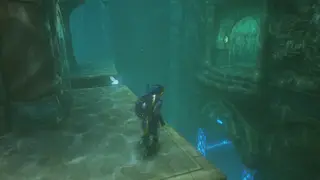
Nintendo has detailed adjustments made to the legendary Water Temple in the Ocarina of Time remake, aiming to preserve the original’s core mechanics while improving player guidance and clarity. Lead designer Eiji Aonuma acknowledged the dungeon’s infamous difficulty and described the updates as long-overdue refinements to enhance accessibility without losing the intended underwater atmosphere. Changes include redesigned layouts that intuitively guide players through water level puzzles and better visual cues for navigation.
Nintendo has reworked the Water Temple in the upcoming remake of The Legend of Zelda: Ocarina of Time, set for release on November 5, 2026, for the Switch 2. Lead designer Eiji Aonuma, who originally conceived the dungeon in 1998, described the changes as long-overdue refinements to improve accessibility while preserving the original’s core design and underwater atmosphere. The remake retains the fundamental mechanics of water level puzzles and item-based progression but introduces intuitive layout adjustments—such as lattice-style walls that allow players to see through to adjacent rooms—and improved visual cues like returning wall lights from the 3DS version. Item toggling has been streamlined, with a new feature allowing Link to instantly remove his iron boots without pausing to access the menu. These changes aim to reduce frustration caused by disorientation and repetitive menu navigation, which plagued players in the original N64 release.
The Water Temple’s reputation for difficulty has become legendary among fans, often cited as one of the most challenging sections in gaming history, especially for those who played without guides. Aonuma acknowledged this legacy, noting that while he intended to capture the unique sensory experience of being underwater—inspired by his own freediving interests—the original design’s complexity and lack of guidance made it a barrier for many. The development team, including HokWai Ng from Production Group No.3, emphasized maintaining auth
The remake’s approach to the Water Temple could influence how developers handle legacy content in other long-running franchises, setting a precedent for thoughtful modernization. By preserving core mechanics while improving navigation and reducing friction, Nintendo may encourage other studios to revisit classic titles not just for remastering, but for reimagining with player experience in mind. This shift aligns with growing cultural interest in game preservation as both a technical and emotional endeavor—where the goal is not only to archive games but to make them accessible across generations. A comparable case is the 2018 remake of Resident Evil 2, which retained the original’s tension while updating controls and visuals for modern audiences. The success of such efforts may prompt publishers to invest more in reevaluating older titles with contemporary design principles. What remains to be seen is whether this model will be adopted widely or remain an exception, and how it affects