AMD's AM4 Platform Defies Age with 13K CPU Sales Despite AM5's Rise
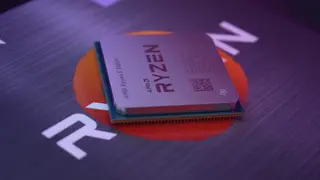
October 2026 Amazon US sales data reveals that AMD's aging AM4 platform sold nearly 13,100 CPUs, outpacing Intel's combined total of around 7,850 units across all its architectures. While AM5 remains the top-selling CPU platform, AM4 continues to hold strong with a 38% market share, driven by enduring popularity of older Ryzen models. Intel’s LGA 1700 lineup leads its own ecosystem, but newer LGA 1854 chips failed to gain traction despite aggressive pricing.
In October 2026, Amazon US sales data revealed that AMD’s aging AM4 platform sold nearly 13,100 CPUs—surpassing Intel’s combined total of approximately 7,850 units across all its architectures, including LGA 115X, LGA 1700, and the newer LGA 1854. While AM5 remained the top-selling platform with 15,100 units sold, AM4 maintained a robust 38% share of the CPU market, demonstrating remarkable longevity. The Ryzen 5 5500 led all CPUs in sales, followed by the Ryzen 7 9800X3D and the relaunched Ryzen 7 5800X3D. Intel’s LGA 1700 lineup, encompassing 12th-, 13th-, and 14th-gen processors, accounted for about 5,350 units sold—its strongest platform—but failed to gain traction with the newer LGA 1854 chips, which collectively sold only around 2,300 units. Notably, the Core i9 14900K outsold the newer Core Ultra 7 270K Plus by a factor of two despite its higher price, likely due to DDR4 compatibility and entrenched user preference. This data reflects a broader trend where older AMD platforms continue to dominate in value-driven markets, even as newer architectures launch.
The longevity of AM4 stems from years of iterative design, backward compatibility, and strong community support, with AMD’s Travis Kirsch noting that Lisa Su had envisioned the Ryzen 7 5800X3D as a “final gift” for AM4 users. AMD benefits from sustained demand among budget-conscious and mid-tier builders who prioritize cost efficiency over cutting-edge specs. Intel, meanwhile, faces challenges in transitioning users
The persistence of the AM4 platform underscores a broader societal trend in technology adoption: users often favor proven, affordable solutions over newer, pricier alternatives—especially when performance gains are marginal. This behavior affects not just individual consumers but also secondary markets, such as used PC components and refurbishment services, which thrive on long-lived platforms like AM4. The data suggests that hardware longevity is increasingly valued, potentially influencing consumer trust in brands that support older systems. Intel’s struggle to move beyond LGA 1700 may signal a wider challenge in convincing users to upgrade when existing hardware remains viable. A comparable case is the enduring popularity of Windows 7 despite Microsoft’s end-of-life announcement, where user inertia and cost concerns delayed migration. Looking ahead, AMD may leverage AM4’s staying power to strengthen ecosystem loyalty, while Intel’s future success could depend on whether its next-gen