Nintendo Unintentionally Recast Original Navi Voice Actor in Ocarina of Time Remake
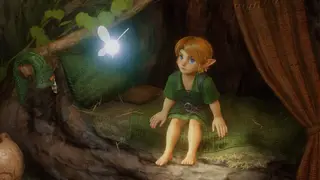
Nintendo confirmed that one of the original voice actors from The Legend of Zelda: Ocarina of Time is returning for the remake, though the team was unaware they were rehiring the same performer. Sound director Masato Ohashi detailed efforts to authentically recreate classic audio using original N64 sound sources while integrating modern 5.1 surround sound for immersive environments.
In November 2026, Nintendo confirmed that one of the original voice actors from The Legend of Zelda: Ocarina of Time—Kaori Mizuhashi, who voiced Navi on the Nintendo 64—had unknowingly returned to reprise her role in the remake, despite the team conducting blind auditions. Sound director Masato Ohashi revealed that the development team prioritized recreating the original game’s audio aesthetic by using the N64’s sound sources as reference points rather than direct audio outputs, aiming to preserve nostalgic authenticity while enhancing immersion through 5.1 surround sound on the Nintendo Switch 2. The remake features over 150 new music tracks, many blending live orchestral recordings with recreated original instrumentation. While the English version of Navi has a new voice actor, the Japanese cast retained Mizuhashi, who was selected during auditions where her identity was concealed. Director Eiji Aonuma noted that the team had no idea she was returning until after casting; this serendipitous outcome underscores Nintendo’s deliberate effort to maintain emotional continuity with the original while modernizing its presentation. The revelation follows months of fan speculation and earlier reports about the remake’s audio design, including efforts to authentically reproduce ambient sounds like rustling leaves and flowing water using real-world recordings.
The story reflects broader industry trends in game remakes—balancing nostalgia with technological advancement. Nintendo’s app
The revelation could strengthen fan loyalty to Nintendo’s remastering efforts, particularly among long-time players who value authenticity. The surprise return of Mizuhashi may amplify excitement around the remake’s release, potentially boosting sales and engagement, especially in Japan where her voice has enduring cultural resonance. This moment also reflects a broader societal trend where digital nostalgia is increasingly monetized and emotionally leveraged—similar to how retro remakes of titles like Final Fantasy VII or Super Mario 64 have reinvigorated audiences. The blind audition strategy may influence future casting practices across the industry, promoting fairness while still allowing for serendipitous continuity. However, it also raises questions about how much weight should be given to original performances versus fresh interpretations, especially as AI voice technology becomes more prevalent. If this model proves successful, other studios might adopt similar methods to prese