Acer’s QD-OLED gaming monitor drops to $269 at Walmart with 240Hz refresh and WQHD clarity
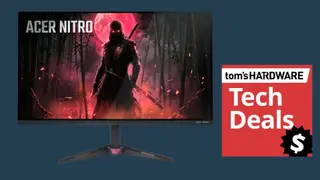
This Acer Nitro monitor offers a 27-inch QD-OLED panel with a 240Hz refresh rate and WQHD resolution, delivering deep blacks and vibrant colors ideal for fast-paced gaming. The $269 price point at Walmart makes it one of the most accessible high-performance OLED displays on the market. It’s particularly well-suited for competitive gamers seeking smooth visuals and responsive performance.
Acer has launched a significant price drop on its 27-inch Nitro gaming monitor featuring a QD-OLED panel, now available at Walmart for $269—marking one of the most affordable high-performance OLED displays in the market. The monitor delivers a WQHD (2560x1440) resolution with a 240Hz refresh rate, ideal for fast-paced gaming where responsiveness and visual clarity are critical. Its QD-OLED technology enables deep blacks, vibrant colors, and near-instantaneous response times, setting it apart from traditional LCDs. This price point is particularly notable given that OLED panels have historically been reserved for premium, high-cost displays, often exceeding $1,000. The availability at Walmart suggests a strategic push to democratize access to cutting-edge display technology.
The broader context includes the growing demand for high-refresh-rate monitors among competitive gamers and content creators who value smooth motion and color accuracy. Prior reports from Tom’s Hardware have highlighted OLED’s advantages in gaming performance, though cost has remained a barrier. Acer, as a major player in the consumer electronics space, appears to be capitalizing on this trend by leveraging its supply chain and retail partnerships to lower entry barriers. Walmart’s role as a mass-market distributor amplifies the reach of this product, potentially shifting consumer expectations around what constitutes "affordable" premium hardware.
While Acer aims to capture market share from rivals like
This price reduction could significantly impact the gaming hardware market by normalizing access to high-end OLED technology for mid-tier consumers. Gamers who previously dismissed OLED due to cost may now consider upgrading, potentially increasing demand for compatible high-refresh-rate GPUs and systems. Retailers like Walmart may gain a competitive edge by positioning themselves as gateways to premium tech at accessible prices, possibly reshaping how consumers perceive value in PC peripherals. A comparable precedent is the 2015 rollout of affordable OLED smartphones by brands like LG and Samsung, which eventually led to widespread adoption across price tiers. If Acer’s pricing strategy proves sustainable, it could accelerate a similar shift in monitor technology, pushing LCDs toward obsolescence in performance-focused segments. However, long-term durability concerns—especially burn-in risks with static UI elements—may still deter some buyers. The broader impact on display manufactur