Solve Today’s NYT Connections: Categories Include Heels, Flowers, and Spirits
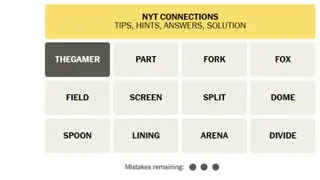
The article offers hints and solutions for the November 5, 2026 edition of the New York Times' Connections puzzle. It reveals that today's categories include types of heels, colorful garden flowers, teardrop-shaped objects, and spirits with altered spellings. The guide helps players progress through the game by providing tiered clues from easiest to hardest.
On November 5, 2026, the New York Times’ popular word puzzle game Connections released its 1,243rd edition, featuring four categories with increasing difficulty levels: Yellow (easiest), Green, Blue, and Purple (hardest). The puzzle’s categories included "Kinds of Heels" (Kitten, Platform, Spike, Wedge), "Flowers" (Anemone, Lotus, Narcissus, Rose), "Teardrop-Shaped Things" (Pear, Raindrop, Speedbag, Uvula), and "Liquors With Last Letters Changed" (Brando, Gig, Run, Whisker). The article, authored by Allyson Cochran of TheGamer, provided tiered hints and full solutions to assist players in maintaining their streaks. Published on November 4, 2026, the piece was part of a recurring series designed to support daily puzzle enthusiasts, particularly those engaged with digital word games that have become cultural touchstones in online communities.
The story reflects broader trends in gaming culture where casual, intellectually stimulating puzzles like Connections have evolved into shared social experiences. TheGamer, as a platform, positions itself as a go-to source for game guides and community-driven content, leveraging its expertise in indie and live-service games to expand into puzzle journalism. Cochran, a Chicago-based editor with a background in journalism and games reporting since 2022, brings credibility and accessibility to the guide, appealing to both casual players and dedicated fans. The article’s structure—offering hints before revealing answers—mirrors the game’s own
The popularity of puzzle games like Connections may be reshaping digital leisure, turning solitary brain teasers into communal rituals where players share tips and solutions across social platforms. This shift could strengthen online communities centered around shared intellectual challenges, particularly among younger demographics who value both cognitive engagement and social connection. TheGamer’s role in providing timely, accessible guides suggests a growing ecosystem of content creators catering to niche gaming audiences—similar to how early internet forums like Reddit’s r/puzzles or dedicated YouTube channels built loyal followings around puzzle culture. As these games gain traction, publishers may invest more in cross-platform integration or live events tied to puzzle milestones, potentially influencing broader trends in digital entertainment. However, the long-term societal impact remains uncertain. While such games may improve vocabulary and pattern recognition, their effect