Ocarina of Time Remake on Switch 2 Lacks Long-Awaited Master Quest Mode
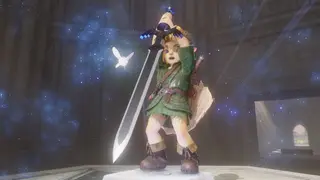
The newly released remake of The Legend of Zelda: Ocarina of Time on Switch 2 does not include a Master Quest mode, disappointing fans who expected a harder, reworked version of the classic. Despite glowing early reviews, players and critics alike expressed frustration over the omission, especially given the game’s nostalgic appeal and previous inclusion in remasters. Nintendo has previously delivered post-launch content for other titles, leaving room for hope that such a mode could be added later.
The Legend of Zelda: Ocarina of Time remake launched on November 5, 2026, for the Switch 2, receiving widespread critical acclaim despite the absence of a long-anticipated Master Quest mode. This version, praised as "beautiful" and a "masterpiece," does not include the harder, reworked iteration of the game that fans had hoped would be part of the remake. The original Master Quest was released in 2003 for the GameCube as a limited-time add-on tied to Wind Waker’s launch, offering increased difficulty and altered enemy placement—features that were later included in the 3DS remaster. Despite this precedent, neither the Switch 2 remake nor the existing Switch Online version of Ocarina of Time includes the mode, leaving veteran players disappointed. Critics such as Anna Koselke of Gamesradar and reviewers from RPGSite expressed frustration, noting the emotional weight of a game that has defined a generation yet fails to deliver on a core fan expectation. Nintendo, known for post-launch content updates—such as new multiplayer modes in Star Fox and expanded gameplay in Mario Kart 8 Deluxe—has not ruled out future additions, though no official statement confirms plans for a Master Quest or Game+ mode. The company has also not addressed the absence of the original Master Quest in Switch Online’s GameCube library, leaving that possibility open but unconfirmed.
The omission of Master Quest may affect long-time fans who view such modes as essential to completing their personal gaming legacies, potentially dampening enthusiasm despite strong critical reception. This could influence how players perceive Nintendo’s commitment to deepening its classic franchises on newer hardware. The broader impact may extend to consumer expectations around remasters—especially for iconic titles—where post-launch content is increasingly seen as a standard rather than a bonus. A comparable precedent is the delayed release of Final Fantasy VII Remake’s second chapter, which generated similar fan anticipation and disappointment when initial versions lacked promised features. While Nintendo has a track record of delivering updates, the absence of Master Quest in a flagship title may prompt scrutiny over whether future remasters will prioritize completeness or monetization through DLC. What remains uncertain is whether this omission signals a shift in design philosoph