Shadow of the Tomb Raider to Get Physical Edition on Nintendo Switch 2 via Limited Run Games
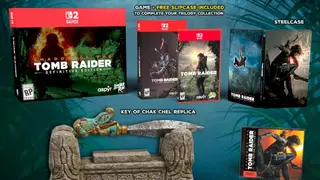
The action-adventure game Shadow of the Tomb Raider, recently released via shadowdrop on the Nintendo Switch 2, will now be available in physical form. Limited Run Games is offering both a standard cartridge and a collector’s edition with exclusive extras like a steelcase, patch, and illuminated desk ornament. The release includes all DLC and content from the original game.
Shadow of the Tomb Raider is set to receive a physical release on the Nintendo Switch 2 through Limited Run Games, marking a significant step for the title after its initial shadowdrop launch. The physical edition, available starting November 6, 2026, includes both a standard cartridge and a collector’s edition with exclusive extras such as a steelcase, a Trinity patch, and an illuminated desk ornament modeled after the Divine Source. The release encompasses all original content, including every DLC—Baba Yaga: The Temple of the Witch, Cold Darkness Awakened, Blood Ties, Lara’s Nightmare, Endurance Mode, and Co-op Endurance—as well as 8 DLC outfits, 7 weapons, 35 expansion cards, Extreme Survivor difficulty, five Classic Lara skins, and the TR III Reimagined “Antarctica” outfit. This full package positions the game as a definitive edition for Switch 2 owners seeking tangible ownership.
The move follows earlier reports of Shadow of the Tomb Raider’s digital-only shadowdrop on the platform, which sparked interest among collectors and fans of physical media. Limited Run Games has built a reputation for reviving niche or beloved titles through limited physical runs, often with exclusive extras—this release continues that trend. The involvement of Crystal Dynamics and Aspyr, developers and publishers respectively, suggests alignment with broader efforts to expand the Tomb Raider franchise’s presence on newer platforms. While no official word exists on future physical releases for
The physical release of Shadow of the Tomb Raider on the Nintendo Switch 2 could signal a growing consumer preference for tangible ownership in an era increasingly dominated by digital distribution. Limited Run Games’ involvement reinforces the idea that niche and legacy titles still hold value, especially among collectors and long-time fans. This move may encourage other publishers to reconsider physical releases for older or underappreciated games on newer platforms, potentially revitalizing interest in back-catalog content. A comparable precedent is the resurgence of physical editions for classic PlayStation and Nintendo titles through companies like Limited Run and Retro-Bit, which have successfully tapped into nostalgia-driven markets. The broader impact may extend to retail ecosystems and digital storefronts, where physical copies could become premium offerings that complement digital access. This dual approach might strengthen brand loyalty and increase perceived value, particu