Five Rising UK Game Creators Named BAFTA Breakthroughs for 2026
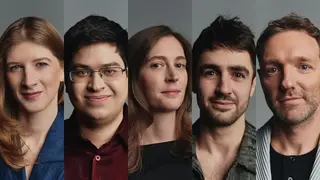
BAFTA has unveiled its 2026 cohort of Breakthrough talent, spotlighting five emerging UK game industry professionals. Selected creators receive mentorship, networking opportunities, and full BAFTA membership to support their long-term careers. The group includes a writer-director known for an Emmy-nominated VR project, a game director, a creative director, a designer, and a performer.
BAFTA has named five emerging UK game industry professionals as its 2026 Breakthrough recipients: Eloise Singer, Husban Siddiqi, Kate Killick, Niru Fekri-Arnold, and Tom McKay. Selected through a competitive process supported by Netflix, each receives mentorship, full BAFTA membership, and access to networking events designed to foster long-term careers. The cohort includes a writer-director known for the Emmy-nominated VR project *The Pirate Queen: No Safe Waters*, a game director behind the indie title *Rogue Eclipse*, a creative director leading Glowfrog Games, a designer creating *Cursed Words*, and a performer involved in the *Mysteria Ecclesiae* DLC. Singer, who had previously attempted selection eight times, described the recognition as validation of her cross-medium storytelling ambitions. Siddiqi, whose debut game was funded by Innersloth’s Outersloth initiative, emphasized the joy and collaborative spirit of game development. Killick, founder of Glowfrog Games, highlighted the perseverance required to launch *Pieced Together* after years of effort, noting that BAFTA’s platform could elevate visibility for her studio’s educational-focused titles. The program’s structure—offering not just financial support but also community access—reflects a broader industry trend of nurturing independent creators amid economic pressures. What remains unresolved is how these connections will translate into tangible career advancement or project funding beyond the initial year, and wh
The 2026 BAFTA Breakthroughs highlight a shift toward recognizing diverse roles within game creation, from writers and designers to performers, suggesting a maturing industry that values holistic creative contributions. By spotlighting individuals like Killick, who focus on educational and family-friendly content, the initiative may help counterbalance the dominance of high-budget, mainstream titles in public discourse. The involvement of Netflix as a sponsor could signal deeper integration between streaming platforms and game development, potentially expanding distribution channels for indie creators. Comparable to the Sundance Institute’s early support of independent filmmakers, BAFTA’s program may become a critical launchpad for future industry leaders. However, it remains uncertain whether this recognition translates into sustained funding or long-term studio growth, especially given the volatile nature of the UK games sector. What could emerge is a stronger network of indie develo