Classic Pixel-Style Adventure 'Ghost Haunting' Coming to Nintendo Switch 2 and Switch in 2027
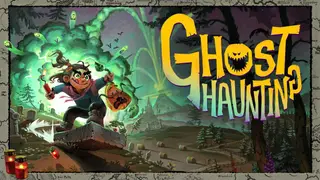
The point-and-click adventure game Ghost Haunting, developed by Daedalic Entertainment and Three Headed Monkey Studios, is set to launch on both the Nintendo Switch 2 and original Switch in 2027. The story follows eight-year-old Gigi, who discovers her grandfather is a famed ghost hunter and sets out to bring her grandmother back from the afterlife with help from a pumpkin-demon companion. The game blends nostalgic 90s-style adventure mechanics with modern conveniences like hint systems and fast travel.
Ghost Haunting, a new 2D point-and-click adventure developed by Daedalic Entertainment and Three Headed Monkey Studios, is set for release on both the Nintendo Switch 2 and original Nintendo Switch in 2027. The game centers on eight-year-old Gigi, who uncovers her grandfather Giovanni’s secret identity as a famed ghost hunter during a family vacation. Inspired by her new pumpkin-demon companion, Baron Butternut, she embarks on a heartfelt mission to bring her grandmother back from the afterlife—a journey that inadvertently threatens global balance. The game blends nostalgic 90s-style adventure mechanics with modern conveniences such as hint systems, fast travel, and hotspot highlighting, aiming to reduce player frustration while preserving classic charm. Its pixel-art aesthetic and quirky world—featuring characters like quarter-dead zombies and the Invisible Olympic Committee—position it as a fresh IP with strong potential for sequels and merchandise.
The announcement comes amid growing interest in retro-inspired games on modern platforms, particularly within Nintendo’s ecosystem. Daedalic Entertainment, known for narrative-driven titles like The Longest Journey and Deponia, continues its strategy of blending emotional storytelling with accessible gameplay. Three Headed Monkey Studios, a newer studio, likely contributes creative energy and design flair to the project. The dual-platform release suggests Nintendo is actively supporting backward compatibility and cross-genera
Ghost Haunting could influence how indie and mid-tier developers approach nostalgic genre revivals on Nintendo’s platforms, potentially encouraging more studios to invest in pixel-art adventures with emotional depth. Its focus on themes like grief, family, and childhood wonder may resonate with a broad audience, especially given the current cultural interest in stories about loss and connection. The game’s success could reinforce Nintendo’s strategy of prioritizing accessible, story-rich experiences over high-octane action—similar to how Animal Crossing: New Horizons reshaped expectations for casual gaming. If well-received, it may prompt other publishers to greenlight similar projects, possibly affecting the indie development landscape on consoles. However, its impact will depend on execution and marketing; past attempts at reviving point-and-click games have struggled with visibility. What to watch for is whether Nintendo leverages the title as a flagship example of narrative innovat