Nostalgia and Frustration: Revisiting the Iconic Highs and Low Points of Ocarina of Time Ahead of Remake Launch
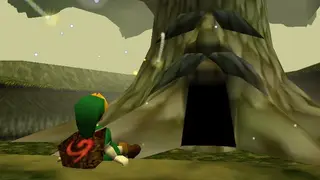
As a new remake of The Legend of Zelda: Ocarina of Time prepares to release, a retrospective highlights both its enduring strengths—like the atmospheric future Hyrule Castle Town—and persistent frustrations, including the tedious Jabu-Jabu dungeon and awkward rupee mechanics. The piece reflects on how the original’s legacy balances timeless design with dated gameplay quirks. Fans are hopeful the remake will preserve beloved moments while refining the game’s most criticized elements.
The Legend of Zelda: Ocarina of Time remake, set to launch on November 5, 2026, for the Nintendo Switch 2, is generating significant anticipation following a wave of positive early reviews. The original game, released in 1998 for the Nintendo 64, has long been hailed as a landmark title in gaming history, known for its groundbreaking 3D design and emotional storytelling. However, retrospective commentary from writer Rebekah Valentine highlights persistent criticisms, including the notoriously frustrating Jabu-Jabu dungeon, the awkward rupee system that penalizes players when their wallet is full, and the Water Temple’s infamous navigation challenges. These elements, while now seen as quirks of early 3D game design, have become emblematic of the game’s uneven legacy. The remake is expected to address these long-standing complaints—particularly the Water Temple, which its original director has called “overdue homework”—while preserving beloved moments like Hyrule Castle Town in the future and the iconic Dark Link encounter. Nintendo, as the developer and publisher, appears committed to honoring fan nostalgia while modernizing gameplay mechanics.
Valentine’s piece references prior reporting from November 3–4, 2026, including a revelation that one of the original voice actors was unknowingly rehired for the remake, and confirmation that King Zora’s “scoot” move has been retained. These details suggest a deliberate effort to maintain authenticity while improving accessibility. Th
The Ocarina of Time remake could significantly influence how legacy games are reimagined in the current era of nostalgia-driven releases. As physical media sales decline—evidenced by Macronix’s pivot to data centers—the success of this digital-first, high-profile title may signal a broader industry shift toward remakes as sustainable revenue models. The game’s reception may impact consumer expectations for future remasters, particularly regarding difficulty adjustments and accessibility features. A comparable precedent is the 2019 remake of Resident Evil 2, which successfully modernized gameplay while retaining core elements that fans cherished—though it also sparked debate over how much to change what was “classic.” The Ocarina of Time remake may follow a similar path: praised for its visual fidelity and refined mechanics, yet scrutinized if it strays too far from the original’s spirit. What to watch for next is whether Nintendo will release additional content—like a remastered versio