A Timeless Reflection on Loss: How Calvin and Hobbes Captured Grief in a Single Strip
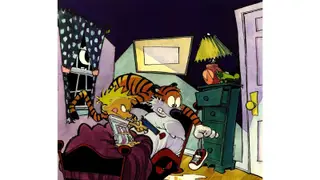
Thirty-nine years after its publication, a poignant moment from the final years of Bill Watterson's Calvin and Hobbes resonates deeply with readers. The comic strip, which often leaned into whimsy and satire, briefly turned to profound emotional depth when Calvin mourned the death of an injured baby raccoon he had tried to save. Through quiet, heartfelt dialogue, the story captures the complexity of grief and acceptance in a way that continues to move audiences.
In March 1987, Bill Watterson’s Calvin and Hobbes introduced a rare emotional depth when Calvin and his tiger companion discovered an injured baby raccoon in the woods near their suburban home, which Watterson implied was adjacent to a nature preserve. The pair attempted to nurse the animal back to health with help from Calvin’s parents, but the raccoon died after a few days. In a quiet moment on March 14, 1987, Calvin expresses grief not through anger or denial, but through a tender realization: “I’m crying because out there he’s gone, but he’s not gone inside me.” This line became one of the most resonant in the strip’s history, capturing a child’s understanding of loss and memory. A second, more abstract meditation on mortality appeared in the September 19, 1993, Sunday strip, where Calvin reflects on a dead bird found after hitting a window, noting life's fragility and the paradox of living normally despite knowing death is inevitable. These moments stand out because they depart from the comic’s usual satire and whimsy, offering rare emotional sincerity in a medium often dismissed as light entertainment.
Watterson’s shift toward deeper themes coincided with his evolving artistic approach after a sabbatical in 1991. He abandoned the traditional panel grid for a more experimental half-page format, allowing greater visual and narrative freedom. This change enabled strips like the 1993 bird scene to unfold with minimal dialogue and maximum emotional weight. The strip’s final
The enduring power of Calvin and Hobbes’ depictions of grief suggests that even brief, non-punchline moments in popular culture can have lasting emotional impact. These strips may influence how younger generations process loss, offering a model of emotional honesty in a medium often associated with escapism. The fact that such moments are remembered decades later—especially in the absence of overt narrative resolution—indicates a cultural hunger for authenticity in storytelling, particularly in spaces where humor dominates. Comparable to the way “The Simpsons” episode “Homer’s Phobia” subtly addressed LGBTQ+ themes in 1997, these Calvin and Hobbes strips represent quiet but significant shifts in mainstream media’s capacity for emotional depth. They may also inspire a reevaluation of what comics can achieve beyond entertainment—potentially affecting how digital content creators approach narrative tone and emotional weight. What to watch for is whether newer platforms like webcomics or s