Switching Between Child and Adult Link in the Ocarina of Time Remake: A Step-by-Step Guide
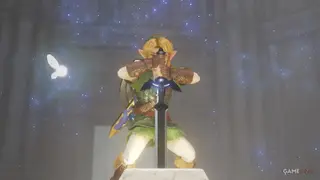
In the remake of The Legend of Zelda: Ocarina of Time, players can toggle between Child Link and Adult Link after completing the Forest Temple. To revert to Child Link, players must return the Master Sword to its pedestal in the Temple of Time after learning the Prelude of Light from Sheik. This mechanic allows full access to both timelines' unique content without missing any story elements.
In the 2026 remake of *The Legend of Zelda: Ocarina of Time*, players can toggle between Child Link and Adult Link after completing the Forest Temple, a key milestone in the game’s narrative progression. To revert to Child Link, players must return to the Temple of Time in Hyrule Castle Town as Adult Link, where Sheik teaches them the Prelude of Light song on the ocarina. Upon completion of this sequence, returning the Master Sword to its pedestal triggers a time shift, allowing players to resume gameplay as Child Link. This mechanic enables full access to both timelines’ unique quests and environments—such as Child Link’s ability to interact with certain NPCs or explore specific areas not accessible to Adult Link—without permanently missing any story content. The process is reversible by simply drawing the Master Sword again from its pedestal, allowing seamless switching between versions of the protagonist.
This design choice reflects a broader trend in game preservation and remastering: honoring original gameplay while enhancing player agency. The original 1998 *Ocarina of Time* locked players into one timeline after obtaining the Master Sword, making certain content inaccessible upon progression. The remake’s reversal of this limitation demonstrates a commitment to preserving player choice and accessibility—key concerns in modern game preservation discourse. Nintendo, as both developer and publisher, appears to be prioritizing long-term engagement and replayability, align
The ability to switch between Child and Adult Link may reinforce the cultural value of preserving gaming history through adaptive design, where legacy titles are updated not just visually but functionally. This could encourage broader acceptance of remakes as legitimate forms of preservation rather than mere nostalgia plays. Gamers who missed earlier content due to linear progression might now revisit classic stories with greater freedom, potentially increasing engagement with older franchises and supporting long-term digital archiving efforts. A comparable precedent is the 2018 *Super Mario Odyssey* “Time Travel” mechanic in its DLC, which allowed players to revisit past levels with new tools—though not a full character switch. What may follow is a shift in how publishers approach remasters: prioritizing player agency and non-linear access as standard features. This could influence indie developers and preservationists to advocate for similar flexibility in archived games, especially